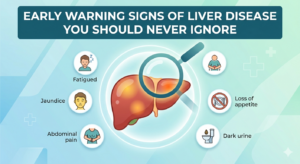
Early Warning Signs of Liver Disease You Should Never Ignore
Early Warning Signs of Liver Disease You Should Never Ignore
Introduction
The liver is one of the most hardworking organs in the human body. It performs hundreds of essential functions every day, from filtering toxins and metabolizing nutrients to producing proteins and supporting digestion. Despite its remarkable ability to regenerate, the liver is not invincible.
One of the biggest challenges with liver disease is that it often develops silently. Many people live with liver damage for years without realizing anything is wrong. By the time symptoms become severe, significant and sometimes irreversible damage may have already occurred.
This is why recognizing the early warning signs of liver disease is so important.
Whether liver disease is caused by fatty liver, excessive alcohol consumption, viral hepatitis, obesity, diabetes, medications, or other factors, early detection can dramatically improve outcomes and prevent serious complications.
In this guide, we’ll explore the most common early warning signs of liver disease, explain why they occur, discuss risk factors, and provide practical steps to protect your liver health.
Why the Liver Is So Important
The liver performs more than 500 vital functions.
Some of its most important jobs include:
- Filtering toxins from the bloodstream
- Processing medications
- Producing bile for digestion
- Storing vitamins and minerals
- Regulating cholesterol levels
- Managing blood sugar
- Supporting immune function
- Producing clotting factors
Because the liver is involved in so many processes, even mild liver damage can affect multiple systems throughout the body.
Why Liver Disease Often Goes Undetected
Unlike many organs, the liver has very few pain receptors.
This means:
Serious liver damage can develop without causing noticeable pain.
Many people assume that liver disease always causes severe abdominal discomfort.
In reality:
- Early fatty liver often causes no symptoms.
- Mild inflammation may go unnoticed.
- Fibrosis can develop silently for years.
This “silent progression” is one reason liver disease is sometimes called a hidden health threat.
Common Causes of Liver Disease
Understanding the causes helps identify who may be at higher risk.
Major Causes
Non-Alcoholic Fatty Liver Disease (NAFLD)
Associated with:
- Obesity
- Diabetes
- Poor diet
- Lack of exercise
Alcohol-Related Liver Disease
Excessive alcohol consumption damages liver cells.
Viral Hepatitis
Includes:
- Hepatitis A
- Hepatitis B
- Hepatitis C
Medication-Induced Liver Injury
Certain medications can harm the liver when used improperly.
Autoimmune Liver Diseases
The immune system mistakenly attacks liver tissue.
Genetic Disorders
Inherited conditions may affect liver function.
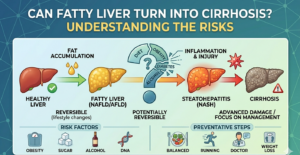
Progression of Liver Disease
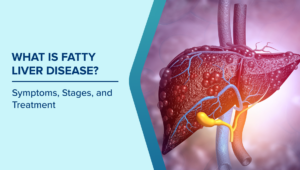
Most liver diseases progress through stages.
Healthy Liver
↓
Fat Accumulation
↓
Inflammation
↓
Fibrosis
↓
Advanced Fibrosis
↓
Cirrhosis
Disease Progression Visualization
Early Warning Sign #1: Persistent Fatigue
One of the earliest and most common symptoms of liver disease is fatigue.
This isn’t ordinary tiredness.
People often describe it as:
- Constant exhaustion
- Lack of energy
- Difficulty concentrating
- Feeling drained despite adequate sleep
Why It Happens
When the liver becomes damaged:
- Toxins accumulate
- Energy metabolism becomes impaired
- Inflammatory chemicals increase
All of these contribute to fatigue.
Early Warning Sign #2: Unexplained Weight Loss
Unexpected weight loss should never be ignored.
While many people associate weight loss with positive health changes, unexplained weight loss can signal underlying disease.
Warning Signs
- Reduced appetite
- Loss of muscle mass
- Rapid weight changes
Early Warning Sign #3: Loss of Appetite
The liver plays a major role in digestion.
When liver function declines:
- Food may become less appealing
- Nausea can develop
- Appetite often decreases
Persistent appetite loss deserves medical evaluation.
Early Warning Sign #4: Nausea and Digestive Problems
Many liver conditions affect digestion.
Symptoms may include:
- Nausea
- Indigestion
- Bloating
- Stomach discomfort
- Feeling full quickly
These symptoms may be mild initially but become more noticeable as liver function worsens.
Early Warning Sign #5: Abdominal Discomfort
The liver sits in the upper-right side of the abdomen.
As liver disease progresses, some individuals may experience:
- Mild aching
- Pressure
- Fullness
- Discomfort below the ribs
While severe pain is uncommon in early disease, persistent discomfort should not be ignored.
Early Warning Sign #6: Yellowing of the Eyes and Skin (Jaundice)
Jaundice is one of the most recognizable signs of liver disease.
Symptoms
- Yellow eyes
- Yellow skin
- Dark urine
- Pale stools
Why It Happens
The liver normally removes bilirubin.
When liver function declines:
- Bilirubin accumulates
- Yellow discoloration appears
Jaundice always requires medical evaluation.
Early Warning Sign #7: Dark Urine
Dark-colored urine may indicate liver dysfunction.
Appearance
Urine may appear:
- Brown
- Tea-colored
- Amber
This occurs because excess bilirubin is excreted through the kidneys.
Early Warning Sign #8: Pale or Clay-Colored Stools
Healthy bile gives stool its normal brown color.
When bile flow is reduced:
- Stools become pale
- Digestion may be impaired
Persistent changes should be investigated.
Early Warning Sign #9: Itchy Skin
Many people never associate itching with liver disease.
However, chronic itching can be an early warning sign.
Characteristics
- Generalized itching
- No obvious rash
- Worse at night
Early Warning Sign #10: Easy Bruising
The liver produces proteins needed for blood clotting.
When liver function declines:
- Bruising occurs more easily
- Minor injuries cause larger bruises
- Bleeding may take longer to stop
Early Warning Sign #11: Swelling in the Legs
Fluid retention often develops as liver disease progresses.
Common Locations
- Ankles
- Feet
- Lower legs
This condition is called edema.
Early Warning Sign #12: Swollen Abdomen
Advanced liver disease can cause fluid accumulation in the abdomen.
This is known as:
Ascites
Symptoms include:
- Abdominal enlargement
- Tightness
- Discomfort
- Rapid increase in waist size
Early Warning Sign #13: Brain Fog and Confusion
As liver function declines, toxins can accumulate in the bloodstream.
These toxins may affect brain function.
Symptoms include:
- Forgetfulness
- Difficulty concentrating
- Poor judgment
- Confusion
Symptom Severity Comparison
| Symptom | Early Disease | Advanced Disease |
|---|---|---|
| Fatigue | Common | Severe |
| Appetite Loss | Mild | Significant |
| Jaundice | Rare | Common |
| Swelling | Rare | Frequent |
| Confusion | Uncommon | More Common |
| Bruising | Mild | Severe |
Which Symptoms Need Immediate Attention?
Some symptoms require urgent medical evaluation.
Seek Medical Care Immediately If You Experience:
- Yellow eyes or skin
- Severe abdominal swelling
- Vomiting blood
- Black stools
- Sudden confusion
- Severe weakness
- Persistent vomiting
High-Risk Groups
Certain individuals should pay especially close attention to liver health.
High-Risk Categories
People With Obesity
Excess body fat increases fatty liver risk.
Individuals With Diabetes
Diabetes significantly increases liver disease progression.
Heavy Alcohol Consumers
Alcohol directly damages liver tissue.
People With Viral Hepatitis
Chronic infection increases risk.
Older Adults
Risk generally increases with age.
Risk Factors Chart
| Risk Factor | Impact on Liver Disease Risk |
|---|---|
| Obesity | High |
| Diabetes | High |
| Heavy Alcohol Use | Very High |
| Hepatitis Infection | Very High |
| Smoking | Moderate |
| Sedentary Lifestyle | Moderate |
Good Habits vs Bad Habits
| Good Habits | Bad Habits |
|---|---|
| Regular exercise | Sedentary lifestyle |
| Healthy weight | Obesity |
| Balanced diet | Processed foods |
| Alcohol moderation | Heavy drinking |
| Routine checkups | Ignoring symptoms |
| Diabetes control | Uncontrolled blood sugar |
Myths About Liver Disease
| Myth | Reality |
|---|---|
| Liver disease always causes pain | Many cases are painless |
| Only alcoholics get liver disease | Obesity and diabetes are major causes |
| Liver damage cannot improve | Early stages are often reversible |
| Supplements can cure liver disease | No supplement replaces lifestyle changes |
| No symptoms means no problem | Liver disease can be silent |
How Doctors Detect Liver Disease
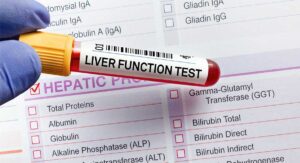
Blood Tests
Common markers include:
- ALT
- AST
- Bilirubin
- Albumin
Ultrasound
Can identify:
- Fatty liver
- Enlargement
- Structural abnormalities
FibroScan
Measures liver stiffness and fibrosis.
MRI and CT Scans
Provide detailed imaging.
Liver Biopsy
Sometimes needed for diagnosis confirmation.
Protecting Your Liver
The good news is that many liver diseases can be prevented or slowed.
Maintain a Healthy Weight
Weight loss can significantly reduce liver fat.
Exercise Regularly
Aim for:
- At least 150 minutes per week
Examples:
- Walking
- Cycling
- Swimming
- Strength training
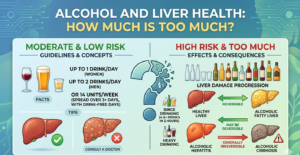
Limit Alcohol
Reducing alcohol intake lowers liver stress.
Control Blood Sugar
Proper diabetes management protects liver cells.
Eat a Liver-Friendly Diet
Eat More
- Vegetables
- Fruits
- Whole grains
- Fish
- Nuts
Eat Less
- Sugary drinks
- Processed foods
- Excess sugar
- Fried foods
Best Foods for Liver Health
| Food | Benefit |
|---|---|
| Broccoli | Supports detoxification |
| Spinach | Rich in antioxidants |
| Oats | Supports metabolism |
| Berries | Reduce oxidative stress |
| Fish | Healthy omega-3 fats |
| Olive Oil | Supports heart and liver health |
Foods to Limit
| Food | Concern |
|---|---|
| Soft drinks | Excess sugar |
| Fast food | High calories |
| Processed snacks | Inflammation |
| Alcohol | Liver toxicity |
| Sugary desserts | Increased fat accumulation |
Frequently Asked Questions
Can liver disease develop without symptoms?
Yes.
Many liver diseases remain silent for years.
Is fatigue always related to liver disease?
No.
However, persistent unexplained fatigue should be evaluated.
Can fatty liver cause symptoms?
Yes.
Some people experience fatigue, discomfort, and digestive issues.
Is jaundice always serious?
Yes.
Jaundice requires medical evaluation.
Can liver disease be reversed?
Early stages often improve with proper treatment and lifestyle changes.
Expert Insight
“The liver often suffers in silence. Recognizing early warning signs and acting quickly can prevent years of progressive damage.”
Key Takeaways
✔ Liver disease often develops without obvious symptoms.
✔ Persistent fatigue is one of the earliest warning signs.
✔ Jaundice, dark urine, and pale stools should never be ignored.
✔ Swelling, bruising, and confusion may indicate advanced disease.
✔ Obesity, diabetes, and alcohol use increase risk.
✔ Regular screening helps identify problems before symptoms become severe.
✔ Healthy lifestyle choices remain the foundation of liver disease prevention.
Conclusion
The liver is a remarkably resilient organ, but it cannot protect itself indefinitely from ongoing damage. Because liver disease frequently progresses silently, recognizing early warning signs can make a life-changing difference.
Symptoms such as persistent fatigue, loss of appetite, digestive problems, dark urine, jaundice, easy bruising, and swelling may seem minor at first, but they can signal underlying liver dysfunction. Ignoring these signs allows damage to continue unchecked, increasing the risk of fibrosis, cirrhosis, and liver failure.
The encouraging news is that many liver conditions can be treated, slowed, or even reversed when caught early. By maintaining a healthy lifestyle, limiting alcohol, controlling weight and blood sugar, and seeking medical attention when warning signs appear, you can greatly improve your chances of preserving liver health for years to come.
Remember: your liver works tirelessly for you every day. Paying attention to its early warning signals is one of the most important investments you can make in your long-term health.