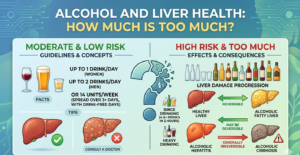
Alcohol and Liver Health: How Much Is Too Much?
Alcohol and Liver Health: How Much Is Too Much?
Introduction
Alcohol consumption is deeply woven into many cultures and social gatherings. For some, it is an occasional indulgence; for others, it becomes a regular habit. While moderate alcohol consumption may seem harmless, excessive drinking can have serious consequences for your liver—the body’s primary detoxification organ.
The liver plays a critical role in filtering toxins, metabolizing nutrients, producing essential proteins, and supporting digestion. Because alcohol is processed primarily by the liver, excessive drinking places tremendous stress on this vital organ.
One of the most common questions people ask is:
“How much alcohol is too much?”
The answer is not always straightforward. Factors such as age, gender, body weight, genetics, existing health conditions, and drinking patterns all influence how alcohol affects the liver.
In this comprehensive guide, we’ll explore how alcohol impacts liver health, identify warning signs of liver damage, discuss safe drinking limits, and provide practical strategies to protect your liver.
Understanding the Liver’s Role
Before discussing alcohol’s effects, it’s important to understand what the liver does.
The liver performs more than 500 essential functions, including:
- Filtering toxins from the bloodstream
- Breaking down medications
- Producing bile for digestion
- Storing vitamins and minerals
- Regulating blood sugar levels
- Processing fats, proteins, and carbohydrates
- Supporting immune function
Because the liver processes alcohol directly, excessive alcohol consumption can gradually damage liver cells and impair these critical functions.
How the Liver Processes Alcohol
When you consume alcohol:
- Alcohol enters the bloodstream through the stomach and intestines.
- The liver breaks down approximately 90% of consumed alcohol.
- Enzymes convert alcohol into acetaldehyde, a toxic compound.
- Acetaldehyde is further converted into less harmful substances.
- Remaining alcohol is eliminated through urine, sweat, and breath.
The problem arises when alcohol intake exceeds the liver’s processing capacity.
Excess alcohol causes:
- Fat accumulation
- Inflammation
- Oxidative stress
- Cell damage
- Scar tissue formation
Over time, this damage can progress into serious liver disease.
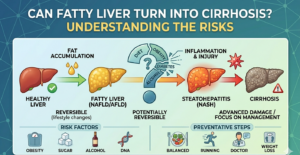
The Stages of Alcohol-Related Liver Disease
Alcohol-related liver disease (ARLD) develops gradually.
Stage 1: Alcoholic Fatty Liver Disease
This is the earliest stage.
What happens?
Fat begins accumulating within liver cells.
Symptoms
Many people experience no symptoms.
Some may notice:
- Fatigue
- Mild abdominal discomfort
- Feeling unwell
Can it be reversed?
✅ Yes.
Stopping alcohol consumption can often reverse fatty liver within weeks to months.
Stage 2: Alcoholic Hepatitis
Continued drinking may trigger inflammation.
Symptoms include:
- Jaundice (yellow skin and eyes)
- Nausea
- Fever
- Abdominal pain
- Loss of appetite
- Fatigue
Can it be reversed?
In some cases, yes.
However, severe alcoholic hepatitis can become life-threatening.
Stage 3: Fibrosis
Persistent inflammation causes scar tissue formation.
What happens?
Healthy liver tissue is gradually replaced by scar tissue.
Effects:
- Reduced liver function
- Impaired blood flow through the liver
Fibrosis may still be partially reversible if detected early.
Stage 4: Cirrhosis
This is advanced liver damage.
Characteristics:
- Extensive scarring
- Permanent liver injury
- Reduced liver function
Symptoms:
- Swelling in legs
- Abdominal fluid buildup
- Easy bruising
- Confusion
- Internal bleeding
Can cirrhosis be reversed?
❌ Usually not.
Treatment focuses on preventing further damage.
Visual Progression of Alcohol-Related Liver Damage
| Stage | Liver Condition | Reversible? |
|---|---|---|
| Fatty Liver | Fat accumulation | ✅ Yes |
| Alcoholic Hepatitis | Inflammation | ✅ Sometimes |
| Fibrosis | Scar tissue formation | ⚠️ Partially |
| Cirrhosis | Extensive scarring | ❌ No |
How Much Alcohol Is Considered Safe?
Many people assume there is a completely safe amount of alcohol.
The reality is more complex.
Research suggests that lower alcohol intake generally carries lower risk.
Standard Drink Comparison
| Beverage | Serving Size | Approximate Alcohol |
|---|---|---|
| Beer | 355 ml | 14 grams |
| Wine | 148 ml | 14 grams |
| Spirits | 44 ml | 14 grams |
A standard drink contains approximately 14 grams of pure alcohol.
Recommended Drinking Limits
For Men
- Up to 2 drinks per day
For Women
- Up to 1 drink per day
Women generally metabolize alcohol differently and may experience liver damage at lower consumption levels.
Weekly Drinking Risk Chart
| Weekly Alcohol Intake | Risk Level |
|---|---|
| 0–7 drinks | Low |
| 8–14 drinks | Moderate |
| 15–21 drinks | High |
| More than 21 drinks | Very High |
Drinking Patterns Matter
It’s not just how much you drink—it’s how you drink.
Example
Person A
- 1 drink daily
Person B
- 7 drinks every Saturday
Both consume the same weekly amount.
However:
❌ Person B has a significantly higher risk due to binge drinking.
What Is Binge Drinking?
Binge drinking refers to consuming large quantities of alcohol within a short period.
Typically:
| Gender | Number of Drinks |
|---|---|
| Men | 5+ drinks |
| Women | 4+ drinks |
within approximately two hours.
Binge drinking dramatically increases:
- Liver inflammation
- Accidents
- Alcohol poisoning
- Long-term liver disease risk
Who Is Most Vulnerable to Alcohol-Related Liver Damage?
Certain groups face higher risks.
High-Risk Individuals
People with obesity
Fatty liver combined with alcohol accelerates liver injury.
People with diabetes
Diabetes increases liver inflammation.
Women
Women often develop liver disease faster than men.
People with viral hepatitis
Alcohol can worsen existing liver damage.
Older adults
The body’s ability to process alcohol decreases with age.
Alcohol and Fatty Liver Disease
Alcohol and fatty liver disease often go hand in hand.
Good News
The liver has remarkable healing capabilities.
If alcohol-related fatty liver is detected early:
- Fat deposits can decrease
- Inflammation can improve
- Liver function can normalize
The key is reducing or eliminating alcohol consumption before permanent damage occurs.
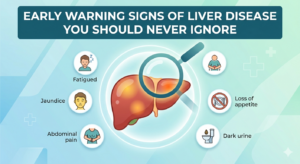
Warning Signs Your Liver May Be Struggling
Pay attention to these symptoms:
Early Signs
- Fatigue
- Low energy
- Nausea
- Poor appetite
- Mild abdominal discomfort
Advanced Signs
- Yellow skin or eyes
- Swollen abdomen
- Swollen legs
- Dark urine
- Pale stools
- Confusion
- Easy bruising
Important: Liver disease often progresses silently. Many people have significant damage before symptoms appear.
Myth vs Reality
| Myth | Reality |
|---|---|
| Beer is safer than whiskey | Alcohol content matters more than beverage type |
| Only alcoholics get liver disease | Even moderate drinking can contribute to liver damage |
| Liver cleanses repair damage | No detox product can reverse significant liver injury |
| You can drink heavily on weekends and stay healthy | Binge drinking increases risk substantially |
| If you feel fine, your liver is healthy | Liver disease can remain silent for years |
Alcohol and Other Health Problems
Alcohol doesn’t only affect the liver.
Excessive consumption is associated with:
- High blood pressure
- Heart disease
- Stroke
- Pancreatitis
- Depression
- Anxiety
- Certain cancers
- Weakened immunity
The liver often becomes the first major organ affected.
Good Habits vs Bad Habits for Liver Health
| Good Habits | Bad Habits |
|---|---|
| Limiting alcohol intake | Frequent binge drinking |
| Drinking water regularly | Mixing alcohol with sugary drinks |
| Maintaining healthy weight | Obesity and inactivity |
| Regular exercise | Sedentary lifestyle |
| Balanced diet | Processed foods and excess sugar |
| Regular health checkups | Ignoring symptoms |
Foods That Support Liver Health
Although no food can completely offset alcohol damage, certain foods support liver function.
Liver-Friendly Foods
Fruits
- Berries
- Apples
- Grapefruit
Vegetables
- Broccoli
- Spinach
- Kale
- Beetroot
Healthy Fats
- Olive oil
- Avocados
- Nuts
Lean Proteins
- Fish
- Chicken
- Legumes
Whole Grains
- Brown rice
- Oats
- Quinoa
Foods to Limit
If you’re concerned about liver health, reduce:
- Alcohol
- Sugary drinks
- Fried foods
- Excess salt
- Processed snacks
- Refined carbohydrates
How Long Does the Liver Take to Recover?
Recovery depends on:
- Amount consumed
- Duration of drinking
- Existing liver damage
- Overall health
General Timeline
| Time After Stopping Alcohol | Potential Benefits |
|---|---|
| 24 Hours | Liver begins detoxification |
| 1 Week | Reduced inflammation |
| 1 Month | Improved liver enzyme levels |
| 3–6 Months | Fatty liver may improve significantly |
| 1 Year | Lower risk of liver disease progression |
Alcohol-Free Alternatives
If you’re trying to reduce alcohol intake, consider:
- Sparkling water
- Herbal tea
- Coconut water
- Lemon-infused water
- Alcohol-free beer
- Kombucha (low alcohol versions)
Practical Tips to Cut Back on Alcohol
Start Small
Set weekly limits.
Track Consumption
Use a journal or app.
Avoid Triggers
Identify situations that encourage drinking.
Alternate With Water
Drink water between alcoholic beverages.
Plan Alcohol-Free Days
Several alcohol-free days each week can help.
Seek Support
Family, friends, and healthcare professionals can provide accountability.
Frequently Asked Questions
Is one drink per day safe?
For many healthy adults, low-level drinking may carry relatively low risk. However, no alcohol consumption is completely risk-free.
Can the liver heal itself?
Yes. The liver has exceptional regenerative abilities, especially in early stages of damage.
Does occasional binge drinking harm the liver?
Yes. Even infrequent binge drinking can trigger inflammation and injury.
Is wine healthier than beer?
Not necessarily. What matters most is total alcohol intake.
Should people with fatty liver avoid alcohol completely?
In most cases, yes. Avoiding alcohol gives the liver the best chance to recover.
Expert Insight
“The safest approach for liver health is to minimize alcohol intake and maintain a healthy lifestyle. Early intervention can prevent years of silent liver damage.”
Key Takeaways
✔ Alcohol is processed primarily by the liver.
✔ Excessive drinking can cause fatty liver, hepatitis, fibrosis, and cirrhosis.
✔ Drinking patterns matter as much as total consumption.
✔ Women, people with obesity, and those with diabetes face higher risks.
✔ Early-stage liver damage can often be reversed.
✔ Advanced cirrhosis is usually permanent.
✔ A healthy diet, exercise, and reduced alcohol intake support liver recovery.
✔ Regular medical checkups can identify problems before symptoms develop.
Conclusion
Alcohol may be a common part of social life, but its effects on the liver should never be underestimated. The liver works tirelessly to protect the body from toxins, yet repeated exposure to excessive alcohol can overwhelm its ability to heal.
The question isn’t simply whether you drink alcohol—it’s how much, how often, and whether your liver can keep up with the burden.
Understanding the risks, recognizing early warning signs, and making informed lifestyle choices can significantly reduce your chances of developing serious liver disease.
Your liver has a remarkable capacity to recover when given the opportunity. The sooner you take steps to protect it, the better your long-term health outcomes will be.