Stress and Liver Damage: What’s the Connection?
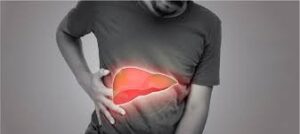
Can the liver be damaged by stress?
Short answer: stress alone doesn’t directly “damage” the liver like alcohol or viruses do—but chronic stress can indirectly harm it over time.
🧠 How stress affects your liver
When you’re under constant stress, your body releases hormones like cortisol. Over time, this can:
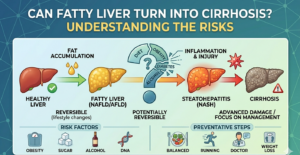
1. Increase fat buildup
- Chronic stress is linked to Fatty Liver Disease
- It promotes belly fat and metabolic imbalance, which leads to fat accumulation in the liver
2. Trigger unhealthy habits
Stress often leads to:
- Overeating (especially sugar and junk food)
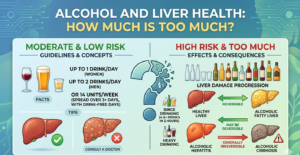
- Alcohol consumption
- Poor sleep
These habits are direct contributors to liver damage.
3. Cause inflammation
- Long-term stress can increase inflammation in the body
- This can worsen existing liver conditions or slow down recovery
4. Affect gut health
- Stress disrupts digestion and gut bacteria
- This indirectly impacts liver function (gut and liver are closely connected)
⚠️ What stress does NOT do
- It doesn’t directly cause conditions like Hepatitis B or Liver cirrhosis on its own
- But it can accelerate problems if other risk factors are present
🧘♀️ How to protect your liver from stress effects
- Regular exercise (even walking helps reduce cortisol)
- Proper sleep (7–8 hours)
- Mind relaxation (yoga, breathing, meditation)
- Balanced diet (avoid stress eating patterns)
🧩 Bottom line
Stress is more of a silent contributor than a direct cause. If unmanaged, it can push your body toward conditions that harm the liver.
💰 We may earn commissions from ad banners or affiliate links placed across our website.