Coffee and Liver Health: Can Your Daily Cup Protect Your Liver?
Coffee and Liver Health: Can Your Daily Cup Protect Your Liver?
Introduction
For millions of people around the world, coffee is more than just a morning beverage—it’s a daily ritual. Whether it’s a strong espresso to kick-start the day or a relaxing cup in the afternoon, coffee has become one of the most widely consumed drinks globally.
But beyond its ability to boost energy and improve focus, researchers have discovered something fascinating:
Coffee may actually help protect your liver.
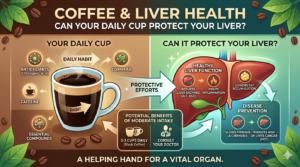
Over the past two decades, numerous studies have suggested that regular coffee consumption is associated with a lower risk of liver disease, including fatty liver disease, liver fibrosis, cirrhosis, and even liver cancer.
This has led many people to ask:
Can your daily cup of coffee really protect your liver?
The answer is surprisingly encouraging—but there are important details everyone should understand.
In this comprehensive guide, we’ll explore the relationship between coffee and liver health, examine the science behind coffee’s protective effects, discuss how much coffee may be beneficial, identify potential risks, and explain how to incorporate coffee into a liver-friendly lifestyle.
Why Liver Health Matters
The liver is one of the most important organs in the body.
It performs more than 500 critical functions, including:
- Filtering toxins from the blood
- Metabolizing medications
- Producing bile for digestion
- Regulating blood sugar
- Storing vitamins and minerals
- Processing fats and proteins
- Supporting immune function
Because the liver is responsible for detoxification, it is constantly exposed to substances that can cause damage.
Common threats include:
- Fatty liver disease
- Excessive alcohol consumption
- Obesity
- Diabetes
- Viral hepatitis
- Certain medications
- Environmental toxins
Maintaining liver health is essential for overall well-being.
What Makes Coffee Special?
Coffee contains much more than caffeine.
In fact, coffee contains hundreds of biologically active compounds.
Important Components of Coffee
| Compound | Potential Benefit |
|---|---|
| Caffeine | Improves alertness |
| Chlorogenic Acids | Antioxidant properties |
| Polyphenols | Reduce oxidative stress |
| Diterpenes | Influence liver enzymes |
| Trigonelline | Anti-inflammatory effects |
| Magnesium | Supports metabolism |
These compounds may contribute to coffee’s liver-protective effects.
How Coffee May Protect the Liver
Scientists believe coffee supports liver health through multiple mechanisms.
1. Reducing Inflammation
Chronic inflammation plays a major role in liver disease progression.
Coffee contains antioxidants that may help reduce inflammatory activity.
Benefits may include:
- Lower liver inflammation
- Reduced cellular damage
- Slower disease progression
2. Fighting Oxidative Stress
Oxidative stress occurs when harmful molecules called free radicals damage cells.
The liver is especially vulnerable.
Coffee contains powerful antioxidants that help neutralize these harmful compounds.
3. Reducing Liver Fat
Research suggests coffee may help reduce fat accumulation in the liver.
This is particularly important for individuals with:
- Fatty liver disease
- Obesity
- Metabolic syndrome
4. Slowing Fibrosis Formation
Fibrosis refers to scar tissue formation in the liver.
Coffee may help reduce the activity of cells responsible for creating scar tissue.
This could potentially slow the progression toward cirrhosis.
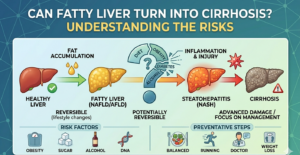
How Liver Disease Progresses
Healthy Liver
↓
Fatty Liver
↓
Inflammation
↓
Fibrosis
↓
Advanced Fibrosis
↓
Cirrhosis
The earlier liver disease is addressed, the greater the chance of preventing serious complications.
Relative Liver Risk Across Disease Stages
Coffee and Fatty Liver Disease
Fatty liver disease is one of the most common liver conditions worldwide.
There are two major forms:
Non-Alcoholic Fatty Liver Disease (NAFLD)
Associated with:
- Obesity
- Diabetes
- Insulin resistance
Alcohol-Related Fatty Liver Disease
Caused primarily by excessive alcohol intake.
Potential Benefits of Coffee in Fatty Liver
People who drink coffee regularly often show:
- Lower liver enzyme levels
- Reduced liver fat accumulation
- Less inflammation
- Slower disease progression
Coffee should not be viewed as a cure, but it may be a helpful part of an overall healthy lifestyle.
Coffee and Cirrhosis
Cirrhosis occurs when healthy liver tissue is replaced by scar tissue.
This stage of liver disease can lead to:
- Liver failure
- Internal bleeding
- Fluid accumulation
- Increased infection risk
Several studies have found that coffee drinkers tend to have a lower risk of developing cirrhosis compared with non-coffee drinkers.
Coffee and Liver Cancer
Liver cancer is among the most serious complications of chronic liver disease.
Some research suggests coffee consumption may be associated with:
- Reduced liver cancer risk
- Slower progression of liver damage
- Better long-term liver outcomes
While coffee is not a cancer prevention treatment, these findings have generated significant scientific interest.
Coffee vs No Coffee: Comparison
| Factor | Regular Coffee Drinkers | Non-Coffee Drinkers |
|---|---|---|
| Liver Enzyme Levels | Often Lower | Often Higher |
| Fatty Liver Risk | Lower | Higher |
| Fibrosis Progression | Slower | Faster |
| Cirrhosis Risk | Lower | Higher |
| Antioxidant Intake | Higher | Lower |
How Much Coffee May Be Beneficial?
This is one of the most common questions.
There is no universal recommendation for everyone.
However, many studies suggest benefits may occur with:
Approximately 2–4 Cups Per Day
This range appears most consistently associated with positive liver outcomes.
Estimated Relative Liver Benefit by Daily Coffee Intake
Which Type of Coffee Is Best?
Not all coffee is identical.
Black Coffee
Advantages:
- Low calorie
- No added sugar
- No added fat
Generally considered the healthiest option.
Espresso
Provides concentrated coffee compounds.
Can be part of a healthy routine when consumed in moderation.
Filtered Coffee
Often preferred because filtering removes some compounds that may affect cholesterol levels.
Instant Coffee
Contains beneficial compounds but may vary depending on brand and processing.
Specialty Coffee Drinks
Examples:
- Frappes
- Sweetened lattes
- Flavored coffee beverages
Potential concerns:
- Excess sugar
- High calorie content
- Added syrups
Best vs Worst Coffee Choices
| Better Choices | Less Healthy Choices |
|---|---|
| Black coffee | Sugary coffee drinks |
| Filtered coffee | High-calorie frappes |
| Unsweetened espresso | Coffee loaded with syrups |
| Coffee with minimal milk | Excess whipped cream beverages |
| Moderate intake | Excessive consumption |
Coffee and Liver Enzymes
Doctors often monitor liver health using enzymes such as:
- ALT
- AST
- GGT
Elevated levels may indicate liver stress or injury.
Many studies have observed that regular coffee drinkers often have healthier liver enzyme profiles.
Coffee and Inflammation
Chronic inflammation contributes to:
- Fatty liver progression
- Fibrosis
- Cirrhosis
Coffee’s antioxidant compounds may help:
- Reduce inflammatory markers
- Protect liver cells
- Support tissue repair
Other Potential Health Benefits of Coffee
Coffee’s benefits may extend beyond liver health.
Potential advantages include:
- Improved alertness
- Enhanced concentration
- Better physical performance
- Reduced risk of type 2 diabetes
- Support for cardiovascular health
Who Should Be Careful With Coffee?
Coffee is not suitable for everyone.
Some individuals may experience:
- Anxiety
- Insomnia
- Rapid heartbeat
- Acid reflux
- Digestive discomfort
People Who May Need Caution
Pregnant Women
Should follow healthcare provider recommendations regarding caffeine intake.
Individuals With Anxiety Disorders
Caffeine may worsen symptoms.
People With Heart Rhythm Problems
High caffeine intake may not be appropriate.
Individuals Sensitive to Caffeine
Even small amounts may cause side effects.
Signs You’re Drinking Too Much Coffee
Possible warning signs include:
- Nervousness
- Restlessness
- Difficulty sleeping
- Rapid heartbeat
- Tremors
- Irritability
If these occur, reducing intake may help.
Coffee Myths vs Facts
| Myth | Fact |
|---|---|
| Coffee damages the liver | Moderate coffee intake may support liver health |
| Decaf coffee has no benefits | Decaf still contains beneficial compounds |
| More coffee is always better | Excessive intake may cause side effects |
| Coffee cures liver disease | Coffee may help support liver health but is not a treatment |
| Coffee replaces a healthy lifestyle | Diet and exercise remain essential |
Coffee and Alcohol: A Common Misconception
Many people mistakenly believe coffee can “undo” alcohol’s effects.
Reality
❌ Coffee does not prevent alcohol-related liver damage.
❌ Coffee does not accelerate alcohol elimination.
❌ Coffee does not reverse intoxication.
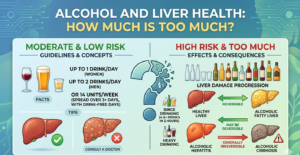
While coffee may have liver-supportive properties, excessive alcohol consumption remains a major cause of liver disease.
Can Decaffeinated Coffee Help the Liver?
Interestingly, some studies suggest that even decaffeinated coffee may offer liver benefits.
This indicates that:
Coffee’s protective effects are not solely due to caffeine.
Other compounds likely contribute significantly.
Building a Liver-Friendly Lifestyle
Coffee works best when combined with healthy habits.
Do More Of These
- Exercise regularly
- Maintain a healthy weight
- Eat fruits and vegetables
- Control blood sugar
- Stay hydrated
- Get adequate sleep
Limit These
- Excess alcohol
- Sugary beverages
- Processed foods
- Smoking
- Sedentary behavior
Good Habits vs Bad Habits for Liver Health
| Good Habits | Bad Habits |
|---|---|
| Moderate coffee intake | Heavy alcohol consumption |
| Balanced diet | Processed foods |
| Weight management | Obesity |
| Exercise | Physical inactivity |
| Routine medical checkups | Ignoring symptoms |
| Adequate sleep | Chronic sleep deprivation |
Liver-Friendly Foods to Pair With Coffee
Excellent Choices
Fruits
- Berries
- Apples
- Citrus fruits
Vegetables
- Broccoli
- Kale
- Spinach
Healthy Fats
- Olive oil
- Nuts
- Avocados
Lean Protein
- Fish
- Legumes
- Poultry
Foods That May Increase Liver Stress
| Food Category | Why Limit It |
|---|---|
| Sugary drinks | Increase liver fat |
| Fast food | Excess calories |
| Fried foods | Promote inflammation |
| Processed snacks | Poor nutritional value |
| Excess alcohol | Direct liver toxicity |
Frequently Asked Questions
Can coffee reverse fatty liver disease?
Coffee alone cannot reverse fatty liver disease.
However, it may support liver health when combined with proper diet, exercise, and weight management.
Is black coffee best for the liver?
Generally, yes.
Black coffee avoids added sugars and excess calories.
Can I drink coffee if I have cirrhosis?
Many people with liver disease can safely drink coffee, but individual circumstances vary.
Always follow your healthcare provider’s advice.
Is decaf coffee beneficial?
Yes.
Decaf coffee still contains many beneficial plant compounds.
How many cups per day are considered reasonable?
For many adults, approximately 2–4 cups daily is often considered moderate intake.
Expert Insight
“Coffee is one of the most extensively studied beverages in relation to liver health. While it is not a cure, consistent research suggests that moderate coffee consumption may play a supportive role in protecting the liver.”
Key Takeaways
✔ Coffee contains antioxidants and biologically active compounds that may support liver health.
✔ Regular coffee consumption has been associated with lower rates of fatty liver disease, fibrosis, cirrhosis, and liver cancer.
✔ Moderate intake—often around 2–4 cups daily—appears most beneficial.
✔ Black and minimally sweetened coffee are generally the healthiest options.
✔ Coffee should complement, not replace, healthy lifestyle habits.
✔ Excessive alcohol consumption can still cause significant liver damage regardless of coffee intake.
✔ Individuals sensitive to caffeine should consume coffee cautiously.
Conclusion
Coffee has evolved from being viewed solely as a stimulating beverage to becoming one of the most researched dietary factors in liver health. A growing body of evidence suggests that moderate coffee consumption may help protect the liver by reducing inflammation, limiting oxidative stress, slowing fibrosis progression, and supporting overall liver function.
While coffee is not a magic solution and cannot replace proper medical care, it appears to be a valuable addition to a liver-friendly lifestyle. Combined with a healthy diet, regular exercise, weight management, limited alcohol consumption, and routine health screenings, your daily cup of coffee may contribute to long-term liver wellness.
If you already enjoy coffee, the current evidence offers reassuring news: your morning ritual may be doing more than helping you wake up—it may also be supporting one of the most important organs in your body.