Latest Treatments for Fatty Liver Disease
Introduction
Fatty liver disease has become one of the fastest-growing lifestyle-related health problems worldwide. Millions of people now suffer from this condition due to sedentary habits, unhealthy diets, obesity, and metabolic disorders. In fact, doctors now refer to the condition as Metabolic Dysfunction-Associated Steatotic Liver Disease (MASLD), previously known as non-alcoholic fatty liver disease (NAFLD).
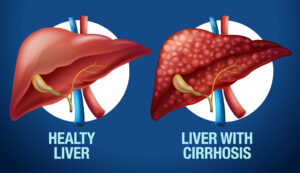
Fatty liver disease occurs when excess fat accumulates in liver cells, making it harder for the liver to perform its vital functions such as detoxification, metabolism, and digestion. If untreated, fatty liver can progress to a more serious condition called metabolic dysfunction-associated steatohepatitis (MASH), which involves inflammation and liver damage and can eventually lead to cirrhosis or liver failure.
The good news is that medical science has made significant progress in understanding and treating fatty liver disease. In recent years, several new medications, innovative therapies, and lifestyle strategies have emerged that can reduce liver fat, improve liver function, and even reverse early-stage fatty liver.
This article explores the latest treatments for fatty liver disease, including lifestyle therapy, medications, emerging drugs, and advanced medical interventions.
Understanding Fatty Liver Disease
Before exploring treatments, it is important to understand how the disease develops.
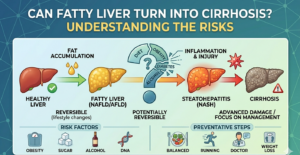
Fatty liver disease progresses through four major stages:
Stage 1 – Simple Fatty Liver (Steatosis)
Fat begins to accumulate in liver cells but causes little or no damage.
Stage 2 – Steatohepatitis
Fat accumulation causes inflammation in the liver.
Stage 3 – Fibrosis
Inflammation leads to scar tissue formation.
Stage 4 – Cirrhosis
Severe scarring disrupts liver function and may lead to liver failure.
Graph: Progression of Fatty Liver Disease
Healthy Liver
     │
     ▼
Fat Accumulation (Steatosis)
     │
     ▼
Inflammation (Steatohepatitis)
     │
     ▼
Fibrosis (Scar Tissue Formation)
     │
     ▼
Cirrhosis (Severe Liver Damage)
Early treatment is critical because fatty liver is reversible in its early stages if proper care and medical treatment are followed.
Causes and Risk Factors of Fatty Liver Disease
Several lifestyle and metabolic factors contribute to fatty liver disease.
Common causes include:
- Obesity
- Type 2 diabetes
- High cholesterol
- High triglycerides
- Sedentary lifestyle
- Excess sugar intake
- Processed food consumption
- Insulin resistance
Diets high in saturated fats, processed meats, sugary drinks, and refined carbohydrates increase the risk of developing fatty liver disease.
Why Early Treatment is Important
Fatty liver disease is often called a “silent disease” because symptoms usually appear only in advanced stages.
If untreated, it may lead to:
- Liver fibrosis
- Cirrhosis
- Liver failure
- Liver cancer
- Increased risk of diabetes
- Cardiovascular disease
However, early treatment can reduce liver fat and prevent serious complications.
Latest Treatments for Fatty Liver Disease
Modern fatty liver treatment focuses on five major approaches:
- Lifestyle modification
- Weight loss therapy
- Medications
- Advanced medical procedures
- Emerging experimental therapies
Let’s explore each treatment in detail.
1. Lifestyle Modification: The First Line of Treatment
Doctors worldwide agree that lifestyle changes remain the most effective treatment for fatty liver disease.
Weight Loss
Losing excess weight can significantly reduce liver fat.
Research shows:
- Losing 3–5% of body weight reduces liver fat
- Losing 7–10% improves inflammation and liver damage
Example
If a person weighs 80 kg, losing 6–8 kg may improve fatty liver significantly.
Graph: Weight Loss vs Liver Improvement
Weight Loss %      Liver Improvement
------------------------------------
3% – 5%           Reduced liver fat
7% – 10%          Reduced inflammation
10%+              Possible fibrosis improvement
Recommended Lifestyle Changes
Key lifestyle modifications include:
- Eating a balanced diet
- Reducing sugar and processed foods
- Regular exercise
- Avoiding alcohol
- Maintaining a healthy weight
- Getting sufficient sleep
2. Diet Therapy for Fatty Liver
Diet plays a crucial role in managing fatty liver disease.
One of the most recommended dietary patterns is the Mediterranean diet, which focuses on whole foods and healthy fats.
Foods that improve liver health
- Fruits
- Vegetables
- Whole grains
- Olive oil
- Nuts
- Fish
- Legumes
Foods to avoid
- Sugary drinks
- Processed foods
- White bread
- Refined carbohydrates
- Fried foods
- Excess red meat
Reducing calorie intake by 500–1000 calories per day can help promote gradual weight loss and reduce liver fat.
3. Exercise Therapy
Exercise is one of the most effective treatments for fatty liver disease.
Physical activity helps the body burn fat stored in the liver and improves insulin sensitivity.
Recommended exercise routine
- 150 minutes of moderate exercise per week
- OR 75 minutes of vigorous exercise weekly
- Strength training twice per week.
Best exercises for fatty liver
- Walking
- Cycling
- Swimming
- Yoga
- Strength training
- HIIT workouts
Graph: Exercise Impact on Liver Health
Exercise Type      Benefit
--------------------------------
Walking            Burns stored fat
Strength Training  Improves metabolism
Cardio Workouts    Reduces liver fat
Yoga               Improves metabolic health
4. New Medications for Fatty Liver Disease
For many years, there were no approved drugs specifically designed for fatty liver disease.
However, recent breakthroughs have changed the treatment landscape.
Resmetirom (Rezdiffra)
One of the biggest breakthroughs came in 2024, when the drug Resmetirom (Rezdiffra) was approved for treating advanced fatty liver disease.
This drug works by:
- Reducing liver fat
- Improving metabolism
- Slowing liver fibrosis
Resmetirom is the first medication approved specifically for MASH, a severe form of fatty liver disease with inflammation and fibrosis.
Semaglutide
Semaglutide, originally developed for diabetes and weight loss, has shown promising results for fatty liver treatment.
Clinical studies show:
- Significant reduction in liver fat
- Improved liver inflammation
- Major weight loss benefits
Recent approvals allow semaglutide to be used for MASH with liver fibrosis when combined with lifestyle changes.
Tirzepatide
Tirzepatide is another promising medication that reduces liver fat significantly.
Clinical trials show it can:
- Reduce visceral fat
- Improve insulin resistance
- Lower liver fat levels dramatically (MDPI)
5. Weight Loss Medications
Since obesity is a major cause of fatty liver disease, weight loss medications can help reduce liver fat.
Some commonly prescribed medications include:
- Liraglutide
- Phentermine-topiramate
- Naltrexone-bupropion
- Orlistat
These medications help control appetite and promote weight loss, which indirectly improves fatty liver disease.
6. Bariatric Surgery
For individuals with severe obesity, bariatric surgery may be recommended.
Types of bariatric surgery include:
- Gastric bypass
- Sleeve gastrectomy
- Adjustable gastric banding
These procedures help patients lose large amounts of weight, which often leads to dramatic improvement in fatty liver disease.
Graph: Weight Loss Surgery Benefits
After Surgery
     │
     ▼
Major Weight Loss
     │
     ▼
Reduced Liver Fat
     │
     ▼
Improved Liver Function
7. Emerging Experimental Treatments
Researchers are currently studying several promising therapies.
These include:
PPAR Agonists
These drugs regulate genes involved in fat metabolism and inflammation.
Examples include:
- Lanifibranor
- Elafibranor
- Saroglitazar
Clinical trials show that these medications may improve fibrosis and reduce liver inflammation.
FXR Agonists
These drugs regulate bile acid metabolism and liver fat.
Examples include:
- Obeticholic acid
- Cilofexor
- Tropifexor
These medications show promise in reducing liver stiffness and inflammation.
8. Role of Artificial Intelligence in Treatment
Modern healthcare is also using Artificial Intelligence (AI) to detect fatty liver disease earlier and guide treatment decisions.
AI-based diagnostic systems can analyze:
- Blood test results
- Imaging data
- Metabolic indicators
Some AI models can identify fatty liver stages with up to 96% accuracy, helping doctors diagnose the disease earlier and start treatment sooner.
Daily Habits That Help Reverse Fatty Liver
Simple lifestyle habits can make a big difference.
Healthy habits for liver care
- Walk at least 30 minutes daily
- Avoid sugary drinks
- Drink enough water
- Maintain a healthy body weight
- Sleep 7–8 hours daily
- Reduce processed food intake
Warning Signs of Fatty Liver Disease
Many people with fatty liver disease experience no symptoms.
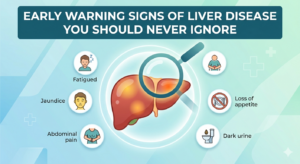
However, some warning signs include:
- Fatigue
- Abdominal discomfort
- Unexplained weight gain
- Elevated liver enzymes
- Dark urine
- Yellowing of skin (in advanced cases)
Early screening is important for people with diabetes, obesity, or metabolic syndrome.
Future of Fatty Liver Treatment
The future of fatty liver treatment is promising.
Researchers are currently working on:
- Gene-targeted therapies
- Personalized medicine
- Combination drug therapies
- AI-driven diagnosis
- Advanced metabolic drugs
Within the next decade, fatty liver disease may become much easier to treat and even prevent.
Conclusion
Fatty liver disease is a growing global health challenge, but modern medicine is rapidly improving treatment options. Today, patients have access to effective lifestyle therapies, promising medications, and advanced medical treatments that can reduce liver fat and prevent serious complications.
The most effective approach combines:
- Healthy diet
- Regular exercise
- Weight management
- Medical treatment when necessary
With early diagnosis and proper care, fatty liver disease can often be reversed, allowing people to restore their liver health and prevent long-term complications.
✔ Key Takeaway:
Your liver is one of the most vital organs in your body. Taking steps today to improve your lifestyle and seek medical care when necessary can protect your liver and ensure long-term health.