Best Diet for Liver Health: Foods That Heal Your Liver
Introduction
The liver is one of the most vital organs in the human body. It works continuously to detoxify harmful substances, regulate metabolism, digest nutrients, and maintain overall health. Despite performing more than 500 essential functions, the liver is often neglected until serious problems arise.
In today’s modern world, lifestyle habits such as processed food consumption, excessive sugar intake, sedentary behavior, and poor dietary patterns are putting enormous pressure on liver health. As a result, liver conditions such as fatty liver disease, inflammation, and liver damage are increasing globally.
The good news is that diet plays a powerful role in protecting and healing the liver. Scientific research shows that consuming the right foods can help reduce liver fat, fight inflammation, improve detoxification, and even reverse early liver damage.
This article explores the best diet for liver health, including foods that heal the liver, foods to avoid, and practical dietary habits that can support liver recovery.
Why Diet Is Important for Liver Health
Everything we eat or drink eventually passes through the liver. This organ processes nutrients, breaks down toxins, and converts food into energy for the body.
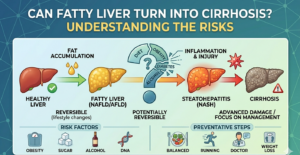
When a person consumes unhealthy foods for a long time, the liver becomes overloaded with toxins, unhealthy fats, and excess sugar. Over time, this may lead to liver problems such as:
- Fatty liver disease
- Liver inflammation
- Insulin resistance
- Liver fibrosis
- Cirrhosis in severe cases
However, the liver has a remarkable ability to repair itself when given proper nutrition and healthy lifestyle support.
A well-balanced diet can help the liver:
- Reduce fat accumulation
- Improve metabolism
- Lower inflammation
- Support detoxification
- Restore liver cells
Graph: How Diet Affects Liver Health
Healthy Diet
     ↓
Improved Metabolism
     ↓
Reduced Liver Fat
     ↓
Lower Inflammation
     ↓
Healthy Liver Function
On the other hand:
Unhealthy Diet
     ↓
Excess Sugar & Fat
     ↓
Fat Accumulation
     ↓
Liver Inflammation
     ↓
Liver Disease
This clearly shows how dietary habits directly influence liver health.
Key Principles of a Liver-Healthy Diet
Before discussing specific foods, it is important to understand the basic principles of a liver-friendly diet.
A liver-healthy diet should focus on:
- Whole and natural foods
- Balanced nutrients
- Healthy fats
- High fiber intake
- Limited processed foods
- Reduced sugar consumption
Such a diet supports liver metabolism and prevents fat accumulation in liver cells.
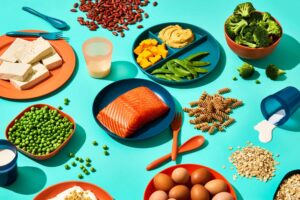
Top Foods That Heal and Protect the Liver
Certain foods are especially beneficial for liver health because they contain antioxidants, vitamins, healthy fats, and anti-inflammatory compounds.
Below are some of the best foods to include in your liver-friendly diet.
1. Leafy Green Vegetables
Leafy greens are among the best foods for liver health.
Examples include:
- Spinach
- Kale
- Lettuce
- Swiss chard
- Arugula
Benefits for the liver
Leafy greens contain powerful plant compounds that help:
- Neutralize toxins
- Reduce fat buildup in the liver
- Improve digestion
- Support detoxification
They are also rich in fiber, chlorophyll, and antioxidants, which support overall metabolic health.
2. Cruciferous Vegetables
Cruciferous vegetables are known for their strong detoxification properties.
Examples include:
- Broccoli
- Cauliflower
- Brussels sprouts
- Cabbage
These vegetables contain compounds that increase the production of detoxification enzymes in the liver, helping the body eliminate harmful substances.
Graph: Detoxifying Effect of Cruciferous Vegetables
Cruciferous Vegetables
        ↓
Activation of Detox Enzymes
        ↓
Improved Liver Detoxification
        ↓
Reduced Toxin Load
3. Garlic
Garlic is widely recognized for its powerful health benefits.
It contains natural compounds such as:
- Allicin
- Selenium
These compounds help activate liver enzymes that assist in removing toxins from the body.
Benefits of garlic
- Supports detoxification
- Reduces cholesterol levels
- Improves liver enzyme activity
- Reduces inflammation
Adding small amounts of garlic to daily meals can support liver health significantly.
4. Fatty Fish
Fatty fish provide essential omega-3 fatty acids, which are beneficial for liver health.
Examples include:
- Salmon
- Sardines
- Mackerel
- Tuna
Omega-3 fats help reduce inflammation and decrease fat accumulation in the liver.
Graph: Role of Omega-3 in Liver Health
Omega-3 Fatty Acids
        ↓
Reduced Inflammation
        ↓
Lower Liver Fat
        ↓
Improved Liver Function
Eating fatty fish two to three times per week can significantly support liver health.
5. Nuts and Seeds
Nuts and seeds are excellent sources of healthy fats, antioxidants, and vitamin E.
Examples include:
- Almonds
- Walnuts
- Chia seeds
- Flaxseeds
Benefits for liver health
- Reduce oxidative stress
- Improve cholesterol levels
- Support liver cell repair
- Provide healthy fats
Walnuts, in particular, are known to improve liver enzyme levels and reduce fat accumulation.
6. Olive Oil
Olive oil is one of the healthiest fats available.
It is a central component of the Mediterranean diet, which is widely recommended for liver health.
Benefits of olive oil
- Reduces liver fat
- Improves insulin sensitivity
- Supports healthy cholesterol levels
Replacing unhealthy fats with olive oil can greatly benefit the liver.
7. Whole Grains
Whole grains provide fiber and important nutrients that support liver metabolism.
Examples include:
- Oats
- Brown rice
- Quinoa
- Whole wheat
Fiber helps regulate blood sugar levels and prevent fat accumulation in the liver.
8. Fruits Rich in Antioxidants
Many fruits contain antioxidants that protect liver cells from damage.
Examples include:
- Berries
- Apples
- Grapes
- Citrus fruits
Benefits
- Fight oxidative stress
- Support immune health
- Improve digestion
Berries, in particular, contain powerful antioxidants that protect liver cells.
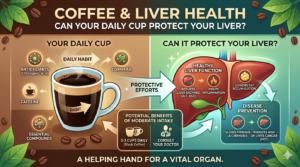
9. Coffee
Surprisingly, moderate coffee consumption may benefit liver health.
Studies suggest that coffee may help:
- Reduce liver inflammation
- Lower risk of liver fibrosis
- Improve liver enzyme levels
Drinking 2–3 cups of coffee daily may offer protective effects for the liver.
10. Green Tea
Green tea is rich in antioxidants called catechins, which support liver function.
Benefits
- Reduce liver fat
- Improve metabolism
- Protect liver cells
Regular consumption of green tea may help prevent liver disease.
Graph: Foods That Support Liver Healing
Food Type                Main Benefit
-------------------------------------------
Leafy Greens             Detoxification
Cruciferous Vegetables   Toxin removal
Fatty Fish               Anti-inflammatory
Nuts & Seeds             Antioxidant protection
Olive Oil                Healthy fat metabolism
Whole Grains             Blood sugar control
Fruits                   Cellular protection
Green Tea                Liver detox support
Foods That Harm the Liver
While certain foods help the liver, others can cause damage if consumed frequently.
Foods to limit or avoid
- Sugary beverages
- Processed foods
- Deep-fried foods
- Refined carbohydrates
- Excess alcohol
- High-salt foods
These foods increase fat accumulation and inflammation in the liver.
Graph: Harmful Foods and Their Effects
Food Type               Liver Impact
-----------------------------------------
Sugary drinks           Fat buildup
Fried foods             Inflammation
Processed foods         Toxin overload
Alcohol                 Liver cell damage
Refined carbs           Insulin resistance
Ideal Daily Diet for Liver Health
Here is an example of a balanced daily diet that supports liver health.
Breakfast
- Oatmeal with berries
- Green tea
- Nuts or seeds
Lunch
- Grilled fish or legumes
- Brown rice or quinoa
- Steamed vegetables
Snacks
- Fresh fruits
- Handful of almonds or walnuts
Dinner
- Vegetable soup
- Whole grain bread
- Salad with olive oil dressing
Such a diet provides essential nutrients while protecting liver function.
Additional Lifestyle Habits for Liver Health
Diet alone is not enough. Healthy lifestyle habits also support liver recovery.
Important habits include
- Regular physical activity
- Maintaining healthy body weight
- Drinking adequate water
- Managing stress
- Getting sufficient sleep
These habits help maintain metabolic balance and reduce liver stress.
Signs Your Liver Is Improving
When the liver begins to heal, several positive changes may occur.
Signs of improvement
- Better energy levels
- Improved digestion
- Reduced bloating
- Balanced blood sugar
- Improved liver enzyme levels
Regular medical checkups can confirm improvements in liver health.
Global Importance of Liver Health
Liver disease has become a global health concern. Millions of people worldwide are affected by conditions such as fatty liver disease, often due to modern dietary habits.
Public health experts emphasize the importance of nutritious diets and healthy lifestyles to prevent liver problems.
By making healthier food choices, individuals across the world can significantly reduce their risk of liver disease.
Key Takeaways
Here are the most important points to remember:
- The liver plays a crucial role in detoxification and metabolism.
- Diet has a direct impact on liver health.
- Leafy vegetables, fatty fish, nuts, fruits, and olive oil support liver function.
- Processed foods, sugar, and alcohol harm the liver.
- A balanced diet combined with healthy lifestyle habits promotes liver healing.
Conclusion
The liver is a resilient and powerful organ capable of repairing itself when supported by proper nutrition and healthy habits. In today’s fast-paced world, making conscious dietary choices is essential to protect liver health.
Incorporating foods such as leafy greens, fatty fish, whole grains, nuts, fruits, and antioxidant-rich beverages can significantly improve liver function and reduce the risk of liver disease.
At the same time, limiting processed foods, excess sugar, and unhealthy fats helps prevent damage to liver cells.
By adopting a balanced and nutritious diet, people around the world can support their liver’s natural healing ability and maintain better overall health for years to come.