How to Take Care of Your Liver Naturally
How can I make my liver healthy again?
Getting your liver “healthy again” is very possible in many cases—but here’s the honest truth first: there’s no quick detox or miracle fix. The liver heals through consistent, everyday habits—not shortcuts.
The good news? The liver is one of the few organs that can regenerate itself, especially in early stages of damage like fatty liver. Even moderate improvement in lifestyle can make a big difference.
Let’s walk through what actually works.
🧠 First: Understand What Your Liver Needs
Your liver struggles when it’s overloaded with:
- Excess fat (from poor diet)
- Sugar and processed foods
- Alcohol
- Toxins (including unnecessary medicines)
- Lack of movement
So the goal is simple:
👉 Reduce the load + support natural healing
🥗 1. Fix Your Diet (This Is the #1 Factor)
You can’t out-exercise a bad diet when it comes to liver health.
✅ Foods That Heal Your Liver
- Leafy greens (spinach, kale)
- Fruits (especially berries, citrus)
- Whole grains (oats, brown rice)
- Healthy fats (olive oil, nuts)
- Lean protein (eggs, fish, legumes)
- Garlic and turmeric
🚫 Foods That Damage Your Liver
- Sugary drinks (biggest culprit)
- Fried and junk food
- Processed snacks
- Refined carbs (white bread, bakery items)
- Excess salt
- Alcohol
👉 Simple rule: If it comes in a packet, limit it.
🏃 2. Start Moving Your Body Daily
Exercise helps reduce fat stored in the liver, even if you don’t lose much weight.
What works best:
- 30–45 minutes brisk walking daily
- Light strength training 2–3 times/week
- Yoga or stretching
👉 Even walking after meals improves liver metabolism.
⚖️ 3. Lose Excess Weight (If Needed)
If you’re overweight, losing just:
👉 5–10% of body weight
can significantly reduce liver fat.
But avoid extreme dieting—slow and steady works best.
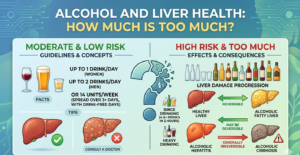
🚫 4. Cut Down or Avoid Alcohol
Alcohol is one of the fastest ways to damage the liver.
- If your liver is already affected → best to avoid completely
- If healthy → keep it very limited
💊 5. Be Careful with Medicines & Supplements
Many people don’t realize this:
👉 Even common drugs (like painkillers) can harm the liver if overused.
What to do:
- Avoid self-medication
- Don’t mix multiple medicines without guidance
- Be cautious with “herbal” supplements—they’re not always safe
💧 6. Stay Hydrated
Water helps the liver flush toxins more efficiently.
👉 Aim for 2–3 liters daily (depending on your body and climate)
😴 7. Improve Sleep & Reduce Stress
Poor sleep and stress affect hormones and metabolism, which indirectly harm the liver.
Try:
- 7–8 hours of sleep
- Meditation or breathing exercises
- Limiting screen time at night
🧪 8. Get Regular Health Checkups
You don’t always feel liver problems early.
Important tests:
- Liver Function Test (LFT)
- Ultrasound (if needed)
- Blood sugar & cholesterol
👉 Especially important if you have:
- Diabetes
- Obesity
- High cholesterol
📊 What Improvement Looks Like
Here’s a simple idea of how lifestyle changes help:
Liver Health Improvement Over Time

Month 1   |███                | Better digestion, energy improves
Month 2   |██████             | Reduced liver fat begins
Month 3   |█████████          | Blood reports improve
Month 6   |██████████████     | Significant liver recovery (early stages)
Consistency matters more than perfection.
⚠️ Important Reality Check
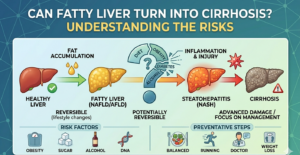
- Early-stage liver problems → often reversible
- Advanced conditions (like cirrhosis) → manageable, not fully reversible
So the sooner you start, the better.
🌿 Bonus: Natural Support (Use Wisely)
Some natural options may support liver health:
- Turmeric
- Amla (Indian gooseberry)
- Green tea
- Coffee (in moderation)
👉 But don’t rely only on these—lifestyle matters more than supplements.
✅ Simple Daily Routine for Liver Health
If you want something practical, follow this:
Morning
- Warm water
- Light walk or yoga
Meals
- Home-cooked food
- Less oil, less sugar
Day
- Stay active (don’t sit too long)
Evening
- Walk after dinner
Night
- Sleep on time
💡 Final Thought
You don’t need extreme changes—just consistent, smart habits.
👉 Your liver doesn’t need a “detox drink”
👉 It needs a detox lifestyle
What are the first signs of a bad liver?
A “bad liver” rarely announces itself loudly at the start. In early stages, the signs are subtle and easy to ignore, which is why many people don’t realize there’s a problem until it progresses.
Here are the first warning signs your liver may be struggling:
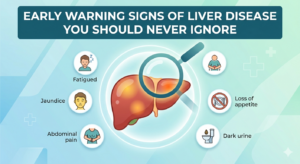
⚠️ Early Signs of Liver Trouble
1. Constant Fatigue and Low Energy
One of the most common early symptoms.
- Feeling tired all the time
- Low stamina even after rest
- Lack of motivation
👉 This happens because the liver isn’t efficiently processing nutrients and toxins.
2. Loss of Appetite
You may notice:
- Not feeling hungry
- Getting full quickly
- Mild nausea when eating
This can lead to unintentional weight loss over time.
3. Mild Discomfort in Upper Right Abdomen
The liver sits on the right side under your ribs.
- Dull ache or heaviness
- Slight tenderness
👉 Not sharp pain—more like a persistent discomfort.
4. Bloating and Indigestion
Early liver issues can affect digestion.
- Feeling bloated after meals
- Gas or heaviness
- Difficulty digesting fatty foods
5. Unexplained Weight Changes
- Sudden weight loss (common in liver issues)
- Or weight gain with belly fat (fatty liver)
6. Nausea or Feeling Sick
You may feel:
- Slight nausea throughout the day
- Occasional vomiting
- General uneasiness after meals
7. Changes in Urine Color
Urine may appear:
- Dark yellow
- Brownish
👉 Even if you’re drinking enough water, this can be a warning sign.
8. Pale or Clay-Colored Stool
If your liver isn’t producing enough bile:
- Stool may look pale or gray
- May float or appear greasy
9. Itchy Skin (Without Rash)
A less obvious but important sign.
- Persistent itching
- No visible skin issue
👉 Caused by buildup of bile salts in the body.
🚨 Signs That Mean It’s Getting Serious
If liver damage progresses, symptoms become more obvious:
- Yellowing of skin/eyes (jaundice)
- Swelling in abdomen or legs
- Easy bruising or bleeding
- Confusion or memory issues
- Severe fatigue
👉 These require immediate medical attention.
📊 Quick Overview
Early Signs            → Often ignored
-------------------------------
Fatigue
Loss of appetite
Mild discomfort
Bloating
Nausea

Advanced Signs         → Serious
-------------------------------
Jaundice
Swelling
Bleeding
Confusion
⚠️ Important Truth
Many people with liver issues have no symptoms at all in the beginning.
That’s why liver problems are often discovered through:
- Blood tests (LFT)
- Ultrasound
🧠 When Should You Be Concerned?
You should pay attention if:
- Symptoms last more than 1–2 weeks
- You have risk factors (obesity, alcohol, diabetes)
- Multiple symptoms appear together
✅ What You Should Do Next
If you notice early signs:
- Get a Liver Function Test (LFT)
- Improve diet immediately
- Reduce alcohol and junk food
- Start regular exercise
💡 Final Thought
Early liver damage is often reversible—but only if you catch it early.
👉 Your body gives small signals first
👉 Ignoring them leads to bigger problems later
Which foods help repair the liver?
No single food can “repair” the liver on its own—but the right foods can reduce fat, fight inflammation, and support the liver’s natural healing. Think of it as creating the conditions where your liver can fix itself.
Here are the foods that actually help 👇
🥗 Best Foods That Support Liver Repair
🥬 1. Leafy Green Vegetables
Examples: spinach, kale, fenugreek (methi)
Why they help:
- Rich in antioxidants
- Help flush toxins
- Reduce fat buildup in the liver
👉 Easy tip: Add a bowl of greens daily (sabzi, salad, smoothie)
🧄 2. Garlic
Why it helps:
- Activates liver detox enzymes
- Helps reduce liver fat
- Anti-inflammatory
👉 Even 1–2 cloves daily can help
🍋 3. Citrus Fruits
Examples: lemon, orange, sweet lime
Why they help:
- High in vitamin C
- Support detox process
- Improve digestion
👉 Warm lemon water in the morning is a simple habit
🫐 4. Berries
Examples: blueberries, strawberries
Why they help:
- Packed with antioxidants
- Protect liver cells from damage
🥑 5. Healthy Fats
Examples: olive oil, avocado, nuts
Why they help:
- Reduce inflammation
- Improve cholesterol levels
- Help decrease liver fat
👉 Replace refined oil with small amounts of healthy fats
🐟 6. Fatty Fish
Examples: salmon, sardines
Why they help:
- Rich in omega-3 fatty acids
- Reduce liver fat and inflammation
👉 2–3 times per week is ideal
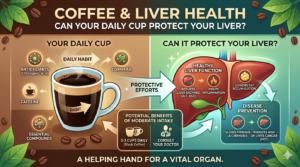
☕ 7. Coffee (Yes, Really)
Why it helps:
- Protects against fatty liver and cirrhosis
- Reduces liver inflammation
👉 1–2 cups daily (without too much sugar)
🍵 8. Green Tea
Why it helps:
- Contains antioxidants (catechins)
- Helps reduce fat accumulation in liver
🥕 9. Beetroot & Carrots
Why they help:
- Support detoxification
- Improve blood flow to the liver
🌾 10. Whole Grains
Examples: oats, brown rice, quinoa
Why they help:
- Improve metabolism
- Help control blood sugar
- Reduce fat storage in the liver
🌿 11. Turmeric
Why it helps:
- Powerful anti-inflammatory
- Supports liver cell repair
👉 Add to cooking or warm milk
📊 How These Foods Help Your Liver
Function                Foods That Help
----------------------------------------
Reduce liver fat        Fish, nuts, olive oil
Fight inflammation      Turmeric, greens, berries
Detox support           Garlic, lemon, beetroot
Protect liver cells     Coffee, green tea, fruits
🚫 Foods You Should Avoid (Very Important)
Even the best foods won’t help if you keep eating these:
- Sugary drinks (biggest enemy)
- Fried and oily foods
- Processed snacks
- White bread & refined carbs
- Excess alcohol
👉 Avoiding harmful foods is as important as eating good ones
🧠 Simple Daily Diet for Liver Health
Morning
- Warm lemon water
- Fruit or soaked nuts
Lunch
- Roti/brown rice + dal + green vegetables
Snack
- Green tea + handful of nuts
Dinner
- Light meal + salad
⚠️ Important Reality
- Early liver damage (like fatty liver) → can be reversed with diet
- Advanced damage → diet helps, but medical care is needed
💡 Final Thought
👉 Your liver doesn’t need “detox juices”
👉 It needs consistent healthy eating
Small changes, done daily, make the biggest difference.
What drink helps heal the liver?
Regrowing hair after chemical damage is possible, but it requires patience and a consistent routine that focuses on repairing the hair shaft, nourishing the scalp, and preventing further damage.
🌿 Step-by-Step Hair Regrowth Plan After Chemical Damage
1. Repair & Protect
- Switch to sulfate-free, gentle shampoos to avoid stripping natural oils.
- Use bond-repair treatments (like keratin or peptide-based products) to rebuild broken protein links.
- Apply heat protectants before styling and minimize heat exposure.
2. Deep Nourishment
- Weekly deep conditioning masks with argan oil, shea butter, or aloe vera.
- Regular oil massages (coconut, olive, rosemary) to restore lipids and boost circulation.
- Leave-in conditioners or serums to lock in moisture.
3. Healthy Scalp Care
- Keep scalp clean but not over-washed.
- Exfoliate gently once a month to remove buildup.
- Massage scalp daily for 5 minutes to stimulate follicles.
4. Nutrition & Lifestyle
- Eat protein-rich foods (eggs, beans, fish) for keratin production.
- Ensure iron, zinc, vitamin D, and biotin intake for follicle repair.
- Stay hydrated and manage stress with yoga or meditation.
5. Trim & Transition
- Trim split ends every 6–8 weeks to prevent breakage.
- Avoid further chemical treatments until hair regains strength.
- Opt for protective hairstyles that reduce tension.
6. Medical Support (if needed)
- If regrowth is slow, consult a dermatologist.
- Treatments like PRP therapy, minoxidil, or supplements may be recommended for severe damage.
⏳ Recovery Timeline
- 1–2 months: Reduced breakage, improved texture.
- 3–6 months: Baby hairs and stronger strands appear.
- 6–12 months: Noticeable regrowth and healthier hair overall.
📝 Summary
To regrow hair after chemical damage, focus on repairing bonds, nourishing the scalp, improving nutrition, and avoiding further stress. Mild damage can improve in weeks, while severe cases may take up to a year, but with consistent care, hair can regain strength, shine, and resilience. 🌿✨
How do I check if my liver is ok?
Checking if your liver is healthy isn’t something you can do on your own — it requires medical evaluation. The liver is resilient, but damage often develops silently, so early detection is important.
🔬 General Signs That May Indicate Liver Problems
- Persistent fatigue or weakness
- Yellowing of skin or eyes (jaundice)
- Dark urine or pale stools
- Abdominal pain or swelling (especially upper right side)
- Easy bruising or bleeding
- Loss of appetite or unexplained weight loss
- Itchy skin
(These are general warning signs — they don’t confirm liver disease but suggest you should see a doctor.)
🧪 Medical Ways to Check Liver Health
- Blood Tests (Liver Function Tests): Measure enzymes like ALT, AST, ALP, and bilirubin.
- Ultrasound or Imaging: Detects fatty liver, scarring, or tumors.
- Fibroscan: Assesses stiffness of the liver (used for fibrosis/cirrhosis).
- Physical Exam: Doctors check for tenderness, swelling, or other signs.
🌿 Lifestyle Tips to Support Liver Health
- Limit alcohol and avoid binge drinking.
- Maintain a balanced diet rich in fruits, vegetables, and lean proteins.
- Avoid excessive processed foods and added sugars.
- Stay physically active to prevent fatty liver.
- Be cautious with medications and supplements — some can stress the liver.
📝 Summary
You can’t reliably check your liver health at home. If you’re concerned, the safest step is to consult a doctor for blood tests and imaging. Meanwhile, maintaining a healthy lifestyle (balanced diet, exercise, limited alcohol) helps protect your liver long-term.