Liver Care During Pregnancy
How to take care of your liver during pregnancy?
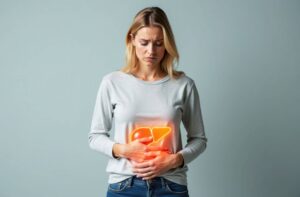
Taking care of your liver during pregnancy is important because your body is already under extra metabolic and hormonal load. Most women don’t have liver problems—but good habits can prevent complications and support both mother and baby.
🥗 1. Eat a clean, balanced diet
Focus on foods that reduce strain on the liver:
- Fresh fruits (apple, papaya, berries)
- Vegetables (especially leafy greens, beetroot, carrots)
- Whole grains (oats, brown rice, roti)
- Healthy proteins (dal, eggs, paneer, lean meats)
Limit:
- Fried, oily, and packaged foods
- Excess sugar and sugary drinks (helps prevent Fatty Liver Disease)
- Artificial additives and preservatives
💧 2. Stay well hydrated
- Drink plenty of water throughout the day
- Coconut water and fresh homemade drinks can help
Hydration supports detox processes and reduces strain on the liver
💊 3. Be careful with medications
- Only take medicines prescribed by your doctor
- Avoid self-medication—even common painkillers can affect the liver if misused
- Some drugs can increase risk of liver stress or conditions like Intrahepatic Cholestasis of Pregnancy
🧘♀️ 4. Stay active (as advised)
- Gentle walking or prenatal yoga improves metabolism
- Helps prevent excessive weight gain and supports liver function
⚖️ 5. Maintain healthy weight gain
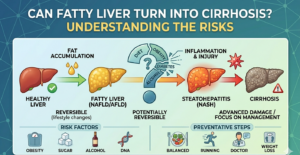
- Too much weight gain increases risk of fatty liver and gestational diabetes
- Follow your doctor’s recommended weight range
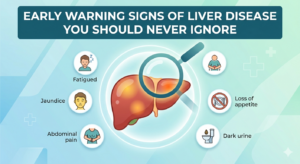
⚠️ 6. Watch for warning signs
Contact your doctor if you notice:
- Severe itching (especially hands and feet)
- Yellowing of eyes/skin
- Dark urine
- Persistent nausea or extreme fatigue
These could indicate liver-related issues like Intrahepatic Cholestasis of Pregnancy or, rarely, Preeclampsia
🧪 7. Regular check-ups
- Routine blood tests help monitor liver function
- Early detection = easier management
Bottom line
Most pregnancy-related liver issues are manageable when caught early. A simple routine—clean eating, hydration, safe medication use, and regular monitoring—goes a long way.
What happens if SGOT and SGPT are high in pregnancy?
High SGOT (AST) and SGPT (ALT) during pregnancy mean your liver is under stress or inflamed. These enzymes leak into the blood when liver cells are irritated or damaged, so elevated levels are a signal, not a diagnosis by themselves.
What it can indicate in pregnancy
1. Pregnancy-related liver conditions
- Intrahepatic Cholestasis of Pregnancy
- Common sign: intense itching (especially hands/feet)
- Risk: can affect the baby if untreated
- Preeclampsia
- Along with high BP, swelling, headaches
- Can reduce blood flow to organs, including liver
- HELLP Syndrome
- A serious condition (Hemolysis, Elevated Liver enzymes, Low Platelets)
- Needs urgent medical care
2. Non-pregnancy liver issues (can still occur)
- Fatty Liver Disease
- Viral infections like Hepatitis E (important in India)
- Medication-related liver stress
Symptoms to watch for
- Severe itching
- Yellowing of eyes/skin
- Nausea or vomiting that doesn’t improve
- Pain in upper right abdomen
- Swelling, high blood pressure, or headaches
What it means for the baby
If enzyme levels are mildly elevated, often it can be managed safely.
But significantly high levels may:
- Increase risk of preterm delivery
- Affect baby’s growth
- In some conditions (like cholestasis), increase fetal distress risk
What doctors usually do
- Repeat liver function tests (LFTs)
- Check bile acids, platelet count, BP
- Ultrasound if needed
- Monitor baby’s growth and heartbeat
Important takeaway
High SGOT/SGPT in pregnancy should never be ignored, but it’s also not always dangerous. The outcome depends on:
- How high the levels are
- The underlying cause
- How early it’s managed