Common Painkillers That Harm Your Liver
Which painkiller is harmful for the liver?
Some painkillers are safe when used correctly—but a few can stress or damage the liver, especially if taken in high doses or for long periods.
Here’s a clear, practical guide 👇
⚠️ Painkillers most associated with liver risk
💊 Paracetamol (Acetaminophen)
👉 Most important one to know
- Safe at recommended doses
- High doses can seriously damage the liver
- Risk increases if:
- You take more than prescribed
- Combine multiple medicines containing it
- Drink alcohol
👉 It’s one of the leading causes of drug-related liver injury worldwide when misused
💊 NSAIDs (generally lower liver risk, but still possible)
Examples:
- Ibuprofen
- Diclofenac
👉 These mainly affect kidneys/stomach, but:
- Long-term or high use can impact the liver
- Diclofenac has a higher liver risk compared to others
🚫 When painkillers become dangerous
Risk increases if you:
- Take high doses or frequent doses
- Mix multiple painkillers
- Drink alcohol
- Already have liver conditions like
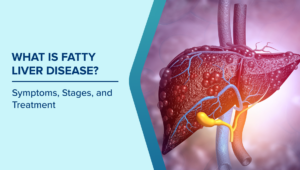
Non-Alcoholic Fatty Liver Disease
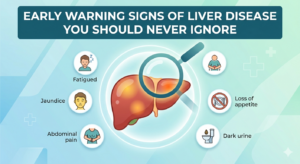
⚠️ Warning signs of liver stress
After using medicines, watch for:
- Nausea or vomiting
- Loss of appetite
- Fatigue
- Dark urine
- Yellowing of eyes/skin
👉 Seek medical help if these appear
📊 Safety comparison
Medicine             Liver Risk (when misused)
-----------------------------------------------
Paracetamol          🔴 High (overdose)
Diclofenac           🟠 Moderate
Ibuprofen            🟡 Low–moderate
✅ How to use painkillers safely
- Follow recommended dose only
- Avoid combining medicines unknowingly
- Don’t take for long periods without advice
- Limit or avoid alcohol
- Check labels (many cold medicines contain paracetamol)
💡 Final Answer
👉 Paracetamol is the most common painkiller that can harm the liver if overused
👉 Other painkillers can also affect the liver with long-term or high-dose use
🔑 Bottom line
👉 Painkillers are safe when used correctly
👉 Liver damage happens mainly due to misuse, overdose, or long-term use
What are the 10 worst medications for your liver?
It’s a bit misleading to label drugs as the “worst” for the liver—many are safe when used correctly. The real risk comes from high doses, long-term use, mixing medicines, alcohol, or existing liver disease.
That said, some medications are well-known for causing liver injury more often than others. Here are 10 to be careful with 👇
⚠️ 10 medications that can affect the liver
1. 💊 Paracetamol (Acetaminophen)
- Most common cause of drug-related liver injury (when overdosed)
- Risk rises if combined with alcohol or multiple products
2. 💊 Amoxicillin/clavulanate
- Widely used antibiotic
- Can cause cholestatic liver injury in some people
3. 💊 Isoniazid
- Used for TB treatment
- Known for liver inflammation risk, especially long-term
4. 💊 Methotrexate
- Used in arthritis, cancer
- Can cause chronic liver damage with prolonged use
5. 💊 Statins
- Generally safe, but may mildly elevate liver enzymes
- Serious damage is rare but monitored
6. 💊 Diclofenac
- Painkiller with higher liver risk than many NSAIDs
- Risk increases with long-term use
7. 💊 Ketoconazole
- Oral form linked to serious liver toxicity
8. 💊 Valproate
- Used for epilepsy and mood disorders
- Can cause liver injury, especially in certain groups
9. 💊 Azathioprine
- Used in autoimmune diseases
- Can affect liver function over time
10. 💊 Nimesulide
- Restricted in many countries due to liver toxicity concerns
⚠️ Important reality check
👉 These medicines are not “bad” when prescribed correctly
👉 Problems usually happen due to:
- Overdose
- Long-term unsupervised use
- Alcohol use
- Existing liver issues like
Non-Alcoholic Fatty Liver Disease
🚨 Warning signs of liver damage
- Yellowing of eyes/skin
- Dark urine
- Fatigue
- Nausea or vomiting
- Loss of appetite
👉 Seek medical help if these appear
📊 Risk factors
Factor                      Risk Increase
--------------------------------------------
High dose                   🔴 High
Alcohol use                 🔴 High
Multiple drugs              🟠 Moderate
Pre-existing liver disease  🔴 High
Long-term use               🟠 Moderate
✅ How to protect your liver
- Always follow prescribed dose
- Avoid self-medication
- Limit alcohol
- Inform doctor about all medicines/supplements
- Get periodic liver tests if on long-term meds
💡 Final Answer
👉 Some medications can harm the liver—but only when misused or in high-risk situations
👉 With proper use, most are safe and necessary
🔑 Bottom line
👉 It’s not the medicine alone—it’s how you use it
👉 Safe use = safe liver
Which painkiller is safest in liver disease?
Short answer: The safest commonly used painkiller in liver disease is Paracetamol—but only at the right (lower) dose.
🧠 Why paracetamol is preferred
It sounds surprising, but compared with many other options, paracetamol is actually the first choice for people with liver problems when used carefully.
👉 Reasons:
- Predictable safety at controlled doses
- Fewer complications than many alternatives
- Widely studied in liver conditions
⚠️ Safe dose matters (very important)
For people with liver disease:
- Typically ≤ 2,000 mg per day (doctor may adjust)
👉 Risk happens when:
- You exceed the dose
- Combine multiple medicines containing it
- Drink alcohol
🚫 Painkillers to be cautious with
💊 NSAIDs (generally avoided or limited)
- Ibuprofen
- Diclofenac
👉 Why avoid:
- Can cause kidney issues
- Increase bleeding risk
- May worsen complications in liver disease
⚠️ Important reality
👉 “Stronger” painkillers are not safer
👉 Many alternatives carry more risks than paracetamol in liver patients
🚨 When to be extra careful
If you have:
- Liver Cirrhosis
- Advanced liver disease
- Regular alcohol use
👉 Always consult a doctor before taking any painkiller
📊 Quick comparison
Painkiller        Safety in liver disease
-----------------------------------------
Paracetamol       ✔ Safest (low dose)
Ibuprofen         ⚠️ Use cautiously
Diclofenac        ❌ Higher risk
💡 Final Answer
👉 Paracetamol (in limited doses) is the safest painkiller for liver disease
👉 Most other painkillers should be used with caution or avoided
🔑 Bottom line
👉 Safe dose = safe medicine
👉 Overdose = serious liver damage
How can I protect my liver when using painkillers?
Using painkillers safely is mostly about dose, duration, and combinations. You don’t need a “detox”—you need smart habits that reduce liver load while you’re taking them.
🛡️ 1) Stay within safe doses (this is the biggest one)
For Paracetamol:
- Follow the label or your doctor’s advice
- Do not exceed the daily limit (often ≤3,000–4,000 mg for healthy adults; ≤2,000 mg if you have liver disease—confirm with your doctor)
👉 Most serious liver injuries happen from accidental overdose.
🔍 2) Check labels to avoid “double dosing”
Paracetamol is hidden in many products:
- Cold/flu combos
- Fever reducers
- Some prescription pain meds
👉 Taking two products together can unknowingly double your dose.
🍺 3) Avoid alcohol while on painkillers
- Alcohol + paracetamol = higher liver toxicity risk
- Alcohol also increases risk with other drugs
⏱️ 4) Use the lowest effective dose for the shortest time
- Don’t take painkillers “just in case”
- Stop once pain is controlled
- Avoid long-term daily use unless prescribed
⚠️ 5) Be cautious with NSAIDs
Drugs like:
- Ibuprofen
- Diclofenac
👉 Not primarily liver-toxic, but:
- Long use can still affect the liver
- They can cause kidney issues, stomach bleeding, and problems in liver disease
💊 6) Tell your doctor everything you take
Include:
- All prescriptions
- Over-the-counter meds
- Herbal supplements
👉 Some combinations increase liver risk.
🧪 7) Monitor if you’re on long-term medication
- Periodic Liver Function Tests (LFTs)
- Especially important if you have
Non-Alcoholic Fatty Liver Disease or other liver conditions
🥗 8) Support your liver with lifestyle
- Eat balanced meals (avoid excess sugar/junk)
- Stay hydrated
- Maintain healthy weight
👉 A healthier liver tolerates medications better.
🚨 9) Watch for warning signs
Stop the medicine and seek care if you notice:
- Nausea, vomiting
- Loss of appetite
- Dark urine
- Yellowing of eyes/skin
📊 Quick safety checklist
Action                          Importance
----------------------------------------------
Correct dose                    🔴 Critical
Avoid alcohol                   🔴 Critical
Check combinations              🔴 Critical
Short duration use              🟠 Important
Regular monitoring              🟠 Important
Healthy lifestyle               🟡 Supportive
💡 Final Answer
👉 Protecting your liver = right dose + no alcohol + no mixing + short-term use
👉 Most problems happen from overuse or combining medicines
🔑 Bottom line
👉 Painkillers are safe when used correctly
👉 Your habits—not the medicine alone—determine liver safety