Can Intermittent Fasting Improve Liver Health?
Does intermittent fasting cleanse your liver?
Short answer: No, intermittent fasting doesn’t “cleanse” your liver—but it can improve liver health, especially if you have fatty liver.
Let’s break it down clearly 👇
🧠 The Truth About “Liver Cleansing”
Your liver already detoxifies your body 24/7.
👉 There’s no need for a special “cleanse.”
What actually matters is:
- Reducing fat in the liver
- Lowering inflammation
- Improving metabolism
⏳ What Intermittent Fasting Really Does
Intermittent fasting (like 12–16 hour fasting windows) can support liver function indirectly.
✅ Benefits for the liver
- Reduces liver fat
Helpful in conditions like Non-Alcoholic Fatty Liver Disease - Improves insulin sensitivity
Lower insulin = less fat stored in liver - Promotes fat burning
Body starts using stored fat (including liver fat) - Reduces inflammation
Supports overall liver recovery
📊 What It Does vs What It Doesn’t
Effect                         Reality
------------------------------------------
Detox/cleanse liver            ✖ No
Reduce liver fat               ✔ Yes
Improve metabolism             ✔ Yes
Reverse early fatty liver      ✔ Possible
Fix severe liver damage        ✖ No
⚠️ Important Reality Check
Many people think:
👉 “I’ll fast and fix my liver”
But if you still:
- Eat junk food
- Consume sugar
- Don’t exercise
👉 Fasting alone won’t help much.
🥗 How to Use Fasting Correctly
If you want liver benefits:
✔ Follow this approach
- 12–14 hour fasting (start simple)
- Eat balanced meals (not overeating)
- Include vegetables, protein, healthy fats
❌ Avoid
- Breaking fast with junk food
- Sugary drinks
- Overeating after fasting
🚫 Who Should Be Careful
Intermittent fasting may not be suitable if you:
- Have diabetes (without guidance)
- Are underweight
- Have advanced liver disease
- Are pregnant
💡 Final Answer
👉 Intermittent fasting does NOT cleanse your liver
👉 But it can help reduce liver fat and improve liver health
🔑 Bottom Line
👉 Liver health = lifestyle
👉 Not detox drinks or quick fixes
Does intermittent fasting shrink your liver?
Short answer: It can—but only in certain situations.
🧠 What it really means to “shrink” the liver
An enlarged liver is most often due to fat buildup, especially in
Non-Alcoholic Fatty Liver Disease.
👉 So shrinking the liver =
- Reducing liver fat
- Decreasing inflammation
- Improving metabolism
⏳ How intermittent fasting helps
Intermittent fasting (IF) doesn’t directly shrink the liver like a medicine, but it creates the right conditions for it to return toward normal size.
✅ What IF can do:
- Burn stored fat → includes fat in the liver
- Improve insulin sensitivity → less fat accumulation
- Support weight loss → key factor in liver size reduction
- Reduce inflammation
📊 What’s true vs myth
Statement                         True/False
--------------------------------------------
Directly shrinks liver            ❌
Helps reduce liver fat            ✅
Can shrink fatty liver            ✅
Works without diet change         ❌
Works in advanced liver disease   ❌
⚠️ When it actually works
Intermittent fasting is effective if:
- You have early-stage fatty liver
- You combine it with a healthy diet
- You are consistent for weeks to months
👉 Even 5–10% weight loss can significantly reduce liver size.
🚫 When it won’t help much
- Advanced liver damage (cirrhosis)
- Continued alcohol intake
- High sugar/junk food diet
👉 In these cases, fasting alone won’t fix the problem.
🥗 How to do it the right way
- Start with 12–14 hour fasting (don’t jump to extremes)
- Eat balanced meals (avoid overeating after fasting)
- Focus on whole foods, not processed foods
Add:
- Daily walking (30–45 minutes)
- Reduced sugar intake
💡 Final Answer
👉 Yes, intermittent fasting can help shrink an enlarged liver caused by fat
👉 But it works indirectly and only with proper lifestyle changes
🔑 Bottom line
👉 Fasting helps your liver by reducing fat—not by “cleansing” it
👉 Consistency matters more than the fasting method
Can fatty liver be reversed with intermittent fasting?
Short answer: Yes—fatty liver can often be reversed with intermittent fasting, but only if it’s done alongside the right diet and lifestyle.
🧠 What we mean by “reversing fatty liver”
Most cases are
Non-Alcoholic Fatty Liver Disease,
where excess fat builds up in liver cells.
👉 Reversal means:
- Reducing liver fat
- Normalizing liver function
- Improving blood reports
⏳ How intermittent fasting helps
Intermittent fasting (IF) supports reversal by improving metabolism—not by “detoxing.”
✅ Key benefits
- Burns stored fat
During fasting, your body uses fat for energy—including liver fat - Improves insulin sensitivity
Lower insulin = less fat storage in the liver - Supports weight loss
Even 5–10% weight loss can significantly reduce liver fat - Reduces inflammation
Helps liver cells recover
📊 Reality check
Factor                        Impact
-----------------------------------------
Intermittent fasting alone    Moderate
IF + healthy diet             High impact
IF + diet + exercise          Very high impact
⚠️ Important truth
👉 IF is not a magic cure
If you continue:
- High sugar intake
- Fried/junk food
- Sedentary lifestyle
👉 Fatty liver will not reverse, even with fasting.
🥗 Best way to use intermittent fasting
✔ Start simple:
- 12–14 hour fasting window
- Gradually move to 14–16 hours (if comfortable)
✔ During eating window:
- High protein + fiber
- Vegetables, whole foods
- Healthy fats
❌ Avoid:
- Overeating after fasting
- Sugary drinks
- Processed foods
🚫 When reversal is harder
- Advanced stages (fibrosis/cirrhosis)
- Long-term alcohol use
- Uncontrolled diabetes
👉 In these cases, medical treatment is also needed.
⏱️ How long it takes
Timeframe        What to expect
----------------------------------------
4–6 weeks        Better energy, digestion
2–3 months       Reduced liver fat begins
3–6 months       Significant improvement (early stage)
💡 Final Answer
👉 Yes, fatty liver can be reversed with intermittent fasting
👉 But only when combined with proper diet and lifestyle changes
🔑 Bottom line
👉 Fasting helps your body burn fat
👉 Diet decides whether fat comes back
What are the signs that your liver is detoxing?
Short answer: Your liver doesn’t “detox” in a way you can feel or see.
If it’s working properly, it’s detoxifying your body silently 24/7—there are no special signs that mean “detox is happening.”
🧠 The Truth About “Liver Detox”
The idea that your body shows symptoms while “detoxing” is mostly a myth.
👉 Your liver:
- Filters toxins
- Breaks down chemicals
- Processes waste
And it does this continuously—without needing a cleanse or producing noticeable “detox symptoms.”
⚠️ So what are people actually feeling?
When people change diet, start fasting, or drink “detox drinks,” they may notice:
- Headache
- Fatigue
- Changes in digestion
- Sugar cravings
👉 These are usually body adjustments, not liver detox.
✅ Real Signs Your Liver Is Getting Healthier
Instead of “detox signs,” look for improvement signs:
- Better energy levels
- Improved digestion
- Reduced bloating
- Clearer skin
- Stable weight
- Improved blood tests (LFT)
👉 These indicate your liver is under less stress, not “detoxing.”
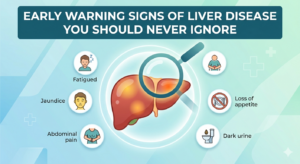
🚨 Warning Signs (Important)
If you notice these, it’s NOT detox—it could be a problem:
- Yellowing of eyes/skin
- Dark urine
- Severe fatigue
- Abdominal swelling or pain
👉 These may indicate liver issues, not improvement.
📊 Reality Check
Belief                         Reality
--------------------------------------------
Liver detox shows symptoms     ❌ No
You can feel detox happening   ❌ No
Healthy liver works silently   ✅ Yes
Lifestyle improves liver       ✅ Yes
💡 What actually helps your liver
Instead of chasing “detox signs,” focus on:
- Healthy diet
- Regular exercise
- Good sleep
- Limiting alcohol
- Managing weight
🔑 Final Answer
👉 There are no real signs that your liver is detoxing
👉 A healthy liver works quietly in the background
Who should not do intermittent fasting?
Intermittent fasting can be helpful for some people—but it’s not safe or suitable for everyone. In certain situations, it can actually do more harm than good.
Here’s a clear, no-nonsense guide 👇
🚫 Who should NOT do intermittent fasting
1. People with uncontrolled diabetes
- Risk of low blood sugar (hypoglycemia)
- Medication timing can get disrupted
- Needs strict medical supervision
👉 Especially risky with Type 2 Diabetes if not well-managed
2. Underweight or malnourished individuals
- Can worsen nutritional deficiencies
- May lead to muscle loss and weakness
3. Pregnant or breastfeeding women
- Need steady nutrition for baby’s growth
- Fasting can affect energy and nutrient supply
4. People with a history of eating disorders
- Can trigger unhealthy eating patterns
- May worsen conditions like Anorexia Nervosa or binge eating
5. People with advanced liver disease
- The liver already struggles to manage metabolism
- Fasting may increase stress on the body
👉 Especially in conditions like Liver Cirrhosis
6. People on certain medications
- Some medicines must be taken with food
- Fasting may cause side effects or reduced effectiveness
7. Individuals with chronic illnesses or weakness
- Conditions like severe anemia, kidney issues, or chronic fatigue
- May not tolerate long fasting periods
8. Children and teenagers
- Still in growth phase
- Need regular nutrition for development
⚠️ Who should be cautious (not completely avoid)
These people can try fasting—but only with care:
- Mild diabetes (under doctor guidance)
- Thyroid issues
- Busy/stressful lifestyle
- Beginners (start slow, don’t jump to extreme fasting)
📊 Quick Guide
Group                          Recommendation
-----------------------------------------------
Healthy adults                 ✔ Safe (with balance)
Diabetes (uncontrolled)        ❌ Avoid
Pregnant/Breastfeeding         ❌ Avoid
Underweight                    ❌ Avoid
Advanced liver disease         ❌ Avoid
Chronic illness                ⚠️ Caution
💡 Final Answer
👉 Intermittent fasting is not for everyone
👉 It should be avoided or supervised in high-risk groups
🔑 Bottom Line
👉 “Healthy for some” ≠ “healthy for all”
👉 Your body condition matters more than trends
How do I know my liver is full of toxins?
Short answer: You can’t tell if your liver is “full of toxins”—because that’s not how the liver works.
🧠 The truth about “toxins in the liver”
Your liver doesn’t store toxins like a container.
It constantly processes and removes harmful substances.
👉 So there’s no condition called “toxin buildup” in a healthy sense.
What people usually mean is:
- Liver stress
- Fat buildup
- Inflammation
Often seen in conditions like
Non-Alcoholic Fatty Liver Disease
⚠️ Signs your liver may be under stress (NOT “toxin-filled”)
Instead of toxins, look for real warning signs:
Common early signs
- Constant fatigue
- Loss of appetite
- Mild discomfort in upper right abdomen
- Bloating
More specific signs
- Dark urine
- Pale stools
- Itchy skin
Serious signs (see a doctor)
- Yellowing of eyes/skin (jaundice)
- Swelling in abdomen
- Easy bruising
👉 These indicate liver issues—not “detox happening”
🧪 The only reliable way to know
You cannot diagnose liver problems by symptoms alone.
✔ Get tested:
- Liver Function Test (LFT)
- Ultrasound (if needed)
These will show:
- Liver enzymes
- Fat buildup
- Inflammation
📊 Reality check
Belief                          Reality
--------------------------------------------
Liver stores toxins             ❌ No
You can feel toxins             ❌ No
Symptoms = detox                ❌ No
Tests show liver health         ✅ Yes
🚫 Common myths to ignore
- “Detox drinks clean your liver”
- “You can flush toxins out”
- “Symptoms mean toxins are leaving”
👉 These are marketing myths, not medical facts.
💡 What actually harms the liver
Instead of toxins, focus on real causes:
- Excess sugar
- Alcohol
- Obesity
- Certain medications
- Sedentary lifestyle
✅ Final Answer
👉 You cannot tell if your liver is “full of toxins”
👉 But you can detect liver problems through symptoms and tests
🔑 Bottom line
👉 Your liver doesn’t need cleansing
👉 It needs less stress and better habits