Liver Enlargement: Causes & Treatment
The liver is one of the most vital organs in the human body. It works silently every second to detoxify harmful substances, support digestion, regulate metabolism, and store essential nutrients. When the liver becomes enlarged, it often signals that something is not functioning properly.
Liver enlargement, medically known as hepatomegaly, is not a disease by itself. Instead, it is a symptom of an underlying condition affecting the liver or other parts of the body.
Many people live with liver enlargement without noticing symptoms in the early stages. However, if left untreated, the condition may lead to severe liver damage and long-term health complications.
In this comprehensive article, we will explore:
- What liver enlargement is
- Signs and symptoms
- Common causes
- Risk factors
- Diagnosis methods
- Treatment options
- Prevention tips
- Lifestyle changes for liver health
This guide is designed for readers worldwide who want to understand liver health and take proactive steps to protect it.
What Is Liver Enlargement?
Liver enlargement (Hepatomegaly) occurs when the liver grows larger than its normal size due to inflammation, fat accumulation, infection, or disease.
A healthy adult liver typically weighs about 1.2 to 1.5 kilograms (2.6–3.3 pounds) and sits on the right side of the abdomen beneath the rib cage.
When the liver becomes enlarged, it may extend below the rib cage and cause discomfort or other symptoms.
Why the Liver Enlarges
The liver enlarges when it is under stress or working harder than normal due to:
- Fat buildup
- Infection
- Tumor growth
- Inflammation
- Blood flow problems
Think of the liver as a factory for the body. When it becomes overloaded with toxins, fat, or infection, the organ swells as it struggles to maintain normal functions.
What is the main cause of enlarged liver?
An enlarged liver (medically called hepatomegaly) isn’t a disease by itself—it’s a sign that something is stressing or damaging your liver.
If you’re looking for the main cause, here’s the straightforward answer:
👉 The most common cause worldwide today is fat buildup in the liver, known as
Non-Alcoholic Fatty Liver Disease.
🧠 Why Fatty Liver Causes Enlargement
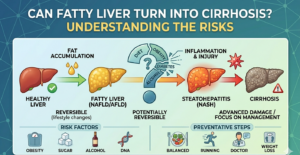
When excess fat accumulates inside liver cells:
- The liver swells
- Inflammation may develop
- The organ becomes enlarged
This is especially common due to:
- Obesity
- Diabetes
- High sugar intake
- Sedentary lifestyle
📊 Major Causes of Enlarged Liver
Cause                         Commonness
-----------------------------------------
Fatty Liver (NAFLD)           ███████████████████
Alcohol-related damage        ███████████████
Viral infections              ███████████
Medications/toxins            ███████
Other diseases                █████
⚠️ Other Common Causes (Important)
🍺 1. Alcohol-Related Liver Disease
Heavy drinking can inflame and enlarge the liver.
- Causes fat buildup + cell damage
- Can progress to cirrhosis
🦠 2. Viral Infections
Especially:
- Hepatitis B
- Hepatitis C
These infections cause inflammation and swelling.
⚖️ 3. Obesity & Metabolic Syndrome
Closely linked to fatty liver.
- Belly fat → liver fat
- Insulin resistance worsens it
💊 4. Medications & Toxins
Overuse of certain drugs can stress the liver.
Examples:
- Painkillers (in excess)
- Steroids
- Some herbal supplements
🧬 5. Less Common Causes
- Genetic disorders (iron or copper buildup)
- Autoimmune diseases
- Heart problems causing liver congestion
- Liver tumors (rare but serious)
🚨 Symptoms of Enlarged Liver
Sometimes there are no symptoms, but you may notice:
- Fullness or discomfort in upper right abdomen
- Fatigue
- Loss of appetite
- Bloating
In more serious cases:
- Yellowing of skin (jaundice)
- Swelling in abdomen
⚠️ Important Reality
👉 Enlarged liver = warning sign, not diagnosis
👉 The real issue is the underlying cause
✅ What You Should Do
If you suspect an enlarged liver:
- Get a liver function test (LFT)
- Do an ultrasound scan
- Check blood sugar & cholesterol
💡 Final Takeaway
👉 The main cause of enlarged liver today is fatty liver disease
👉 And the biggest drivers are diet, weight, and lifestyle
The encouraging part?
👉 In early stages, it’s often reversible with the right habits
If you want, I can help you:
- Identify your risk level
- Suggest a step-by-step plan to reduce liver size naturally
Global Impact of Liver Diseases
Liver diseases are a major health concern worldwide.
According to global health studies:
- Over 2 million deaths annually are linked to liver diseases.
- Fatty liver disease affects nearly 25% of the world’s population.
- Alcohol-related liver damage continues to rise globally.
Graph: Major Causes of Liver Enlargement Worldwide
Causes of Liver Enlargement (% Approximate Global Distribution)

Fatty Liver Disease       |█████████████████████| 40%
Alcohol Related Damage    |███████████████      | 25%
Viral Hepatitis           |██████████           | 15%
Heart Related Issues      |█████                | 8%
Cancer & Tumors           |████                 | 7%
Other Causes              |███                  | 5%
This shows that fatty liver disease is the most common cause globally, largely due to lifestyle changes, obesity, and poor dietary habits.
Common Symptoms of Liver Enlargement
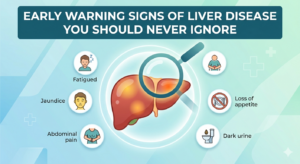
In many cases, liver enlargement may not cause noticeable symptoms at first. As the condition progresses, individuals may experience various signs.
Early Symptoms
- Fatigue or weakness
- Mild abdominal discomfort
- Loss of appetite
- Nausea
- Indigestion
Advanced Symptoms
- Pain in the upper right abdomen
- Yellowing of skin and eyes (jaundice)
- Swelling in the abdomen
- Dark urine
- Pale stools
- Unexplained weight loss
Severe Symptoms
When liver damage becomes serious, symptoms may include:
- Persistent vomiting
- Severe abdominal pain
- Confusion or memory issues
- Easy bruising or bleeding
- Fluid buildup in the abdomen (ascites)
If these symptoms appear, medical evaluation is essential.
Major Causes of Liver Enlargement
Several medical conditions can lead to liver enlargement. Understanding these causes helps doctors identify the right treatment.
1. Fatty Liver Disease
Fatty liver disease occurs when excess fat accumulates in liver cells.
There are two main types:
Non-Alcoholic Fatty Liver Disease (NAFLD)
Common in people who:
- Are overweight
- Have diabetes
- Have high cholesterol
- Live sedentary lifestyles
Alcoholic Fatty Liver Disease
Caused by excessive alcohol consumption over time.
Symptoms may include:
- Fatigue
- Enlarged liver
- Abdominal discomfort
If untreated, fatty liver disease can progress to liver inflammation or cirrhosis.
2. Viral Hepatitis
Viral infections can cause inflammation and swelling of the liver.
The most common forms include:
- Hepatitis A
- Hepatitis B
- Hepatitis C
How Hepatitis Affects the Liver
The virus attacks liver cells, causing:
- Inflammation
- Liver enlargement
- Reduced liver function
Chronic hepatitis infections may lead to liver failure or cancer if untreated.
3. Alcohol-Related Liver Disease
Excessive alcohol consumption damages liver cells.
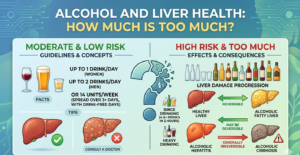
The progression typically follows three stages:
- Fatty liver
- Alcoholic hepatitis
- Cirrhosis
Long-term alcohol use can cause the liver to enlarge due to inflammation and scarring.
4. Liver Cirrhosis
Cirrhosis occurs when healthy liver tissue is replaced with scar tissue.
This scarring disrupts normal liver function.
Common causes include:
- Alcohol abuse
- Chronic hepatitis
- Fatty liver disease
Symptoms may include:
- Severe fatigue
- Fluid buildup
- Enlarged liver
- Jaundice
5. Liver Cancer
Tumors in the liver can cause the organ to grow larger.
There are two main types:
Primary Liver Cancer
Starts in the liver itself.
Secondary (Metastatic) Liver Cancer
Cancer spreads to the liver from other organs.
Early detection is critical for better treatment outcomes.
6. Heart Failure
In some cases, heart problems can cause blood to back up into the liver.
This condition is known as congestive hepatopathy.
The liver becomes enlarged due to increased pressure in the blood vessels.
Symptoms may include:
- Swelling in legs
- Shortness of breath
- Fatigue
7. Genetic and Metabolic Disorders
Certain inherited conditions can affect liver size.
Examples include:
- Hemochromatosis (iron overload)
- Wilson’s disease (copper buildup)
- Glycogen storage disorders
These disorders lead to toxic substance accumulation in liver cells.
Risk Factors for Liver Enlargement
Certain lifestyle and health factors increase the risk.
Lifestyle Risk Factors
- Excess alcohol consumption
- Poor diet
- Lack of physical activity
- Obesity
Medical Risk Factors
- Diabetes
- High cholesterol
- Viral infections
- Long-term medication use
Environmental Risk Factors
- Exposure to toxins
- Contaminated food or water
- Unsafe injections
People with multiple risk factors are more likely to develop liver enlargement.
How Liver Enlargement Is Diagnosed
Doctors use several tests to confirm hepatomegaly.
1. Physical Examination
A doctor may feel the abdomen to check if the liver extends below the rib cage.
2. Blood Tests
Blood tests evaluate liver health and detect infections.
Common tests include:
- Liver Function Tests (LFT)
- Bilirubin levels
- Albumin levels
- Prothrombin time
3. Imaging Tests
Medical imaging helps determine liver size and structure.
Common methods include:
- Ultrasound
- CT scan
- MRI scan
These tests help detect tumors, fat buildup, or inflammation.
4. Liver Biopsy
A biopsy involves removing a small sample of liver tissue for analysis.
Doctors recommend it when the cause of liver enlargement is unclear.
Can I shrink an enlarged liver?
Yes—you can often shrink an enlarged liver, but only if you tackle the underlying cause. There isn’t a shortcut pill or drink; improvement comes from fixing what’s stressing the liver.
For most people today, enlargement is due to fat buildup (Non-Alcoholic Fatty Liver Disease), and that’s frequently reversible.
🧠 What “shrinking” the liver really means
You’re not squeezing it smaller—you’re:
- Reducing fat inside liver cells
- Lowering inflammation
- Restoring normal function
When those improve, the liver size often returns toward normal.
⏱️ How long it takes
It’s not instant, but it’s realistic:
Time        What happens
-------------------------------
2–4 weeks   Better digestion, less bloating
1–3 months  Liver fat starts reducing
3–6 months  Noticeable improvement in size (early stages)
6+ months   Significant recovery possible
Consistency matters more than speed.
🥗 1. Fix Your Diet (Most Important Step)
✅ What to eat more of
- Vegetables (especially leafy greens)
- Fruits (whole, not juice-heavy)
- Whole grains (oats, brown rice)
- Lean protein (dal, eggs, fish)
- Healthy fats (nuts, seeds, olive oil)
🚫 What to cut down hard
- Sugar (biggest trigger for fatty liver)
- Packaged/processed foods
- Fried food
- Excess refined carbs
- Alcohol (ideally avoid completely)
👉 Even a 30–40% reduction in sugar and junk makes a big difference.
🏃 2. Move Daily
You don’t need a gym—just consistency.
- 30–45 minutes brisk walking
- Light strength training or yoga
👉 Exercise directly helps reduce liver fat, even before major weight loss.
⚖️ 3. Lose Some Weight (If Overweight)
This is one of the fastest ways to shrink an enlarged liver.
- Losing 5–10% of body weight can significantly reduce liver size
- Avoid crash diets—go gradual
☕ 4. Choose the Right Drinks
Helpful:
- Water (2–3 liters/day)
- Coffee (1–2 cups, no sugar overload)
- Green tea
- Lemon water
Supportive (occasionally):
- Beetroot or vegetable juice (2–3 times/week)
Avoid:
- Sugary drinks
- Packaged juices
- Alcohol
💊 5. Review Medicines & Supplements
Some drugs can worsen liver stress.
- Avoid self-medication
- Don’t overuse painkillers
- Be cautious with “herbal detox” products
🧪 6. Monitor Your Progress
Track improvement with:
- Liver Function Test (LFT)
- Ultrasound (if needed)
- Blood sugar & cholesterol
👉 You’ll often see improvement in reports before you “feel” it.
⚠️ When it’s harder to reverse
If enlargement is due to:
- Advanced scarring (cirrhosis)
- Chronic infections
- Tumors
👉 Then it may not fully reverse—but it can still be managed and slowed.
📊 What actually works
Method                 Effectiveness
----------------------------------------
Diet change            █████████████████
Weight loss            ███████████████
Exercise               █████████████
Drinks alone           ██
Supplements only       █
💡 Final Answer
👉 Yes, you can shrink an enlarged liver—especially in early stages
👉 But only if you consistently improve your lifestyle
No shortcuts, but very real results.
Treatment Options for Liver Enlargement
Treatment depends on the underlying cause.
There is no single universal treatment.
Instead, doctors focus on treating the root condition.
1. Lifestyle Changes
Lifestyle improvements are essential for many liver conditions.
Recommended changes include:
- Maintaining a healthy weight
- Eating a balanced diet
- Reducing alcohol intake
- Exercising regularly
2. Medications
Doctors may prescribe medications to treat specific causes.
Examples include:
- Antiviral drugs for hepatitis
- Cholesterol-lowering medications
- Diabetes medications
- Anti-inflammatory drugs
3. Surgery
Surgical treatment may be required for:
- Liver tumors
- Severe damage
- Cysts
In rare cases, a liver transplant may be necessary.
Diet for Liver Health
A liver-friendly diet can help reduce liver enlargement and improve recovery.
Foods That Support Liver Health
- Leafy green vegetables
- Whole grains
- Fresh fruits
- Nuts and seeds
- Olive oil
- Lean proteins
Foods to Limit
- Fried foods
- Processed snacks
- Sugary beverages
- Excess salt
- Alcohol
Lifestyle Tips for a Healthy Liver
Healthy habits can protect the liver from damage.
Practical Liver Care Tips
✔ Drink plenty of water
✔ Maintain a healthy body weight
✔ Exercise at least 30 minutes daily
✔ Avoid excessive alcohol
✔ Get vaccinated for hepatitis
✔ Use medications responsibly
✔ Avoid exposure to toxins
Small daily habits make a big difference in liver health.
Prevention of Liver Enlargement
Preventing liver enlargement involves maintaining overall liver health.
Key Preventive Measures
- Balanced nutrition
- Regular physical activity
- Routine health checkups
- Safe hygiene practices
- Limiting alcohol intake
Early detection of liver problems can prevent complications.
When to See a Doctor
Seek medical attention if you experience:
- Persistent abdominal pain
- Jaundice
- Unexplained fatigue
- Swelling in the abdomen
- Sudden weight loss
Prompt medical evaluation can prevent severe liver damage.
The Importance of Early Detection
Many liver diseases develop silently.
People often ignore symptoms until the condition becomes severe.
Regular health screenings help detect liver problems early.
Early treatment improves recovery and reduces the risk of complications.
Future of Liver Disease Treatment
Advances in medical science are improving the management of liver diseases.
Emerging treatments include:
- Gene therapy
- Stem cell therapy
- Advanced antiviral drugs
- Artificial liver support systems
These innovations may transform the treatment of liver disorders in the future.
Final Thoughts
Liver enlargement is a warning sign that the body needs attention.
Although it may seem alarming, the condition is often treatable when diagnosed early.
By understanding the causes, symptoms, and treatments, people can take steps to protect their liver and overall health.
Healthy lifestyle choices, regular medical checkups, and awareness of risk factors are the best defenses against liver diseases.
Your liver works tirelessly every day — taking care of it today ensures a healthier tomorrow.