
When Is Liver Transplant Required?
A Complete Guide to Understanding the Life-Saving Procedure
The liver is one of the most vital organs in the human body. It performs hundreds of essential functions that keep our bodies functioning properly. From filtering toxins to processing nutrients and producing important proteins, the liver plays a central role in maintaining overall health.
But what happens when the liver becomes severely damaged and stops working?
In many cases, medical treatment and lifestyle changes can help manage liver disease. However, when the liver reaches a stage where it can no longer perform its critical functions, a liver transplant may become the only life-saving option.
A liver transplant is a major medical procedure that involves replacing a diseased liver with a healthy one from a donor. It is often considered when other treatments have failed and the patient’s life is at serious risk.
In this comprehensive guide, we will explore:
- What a liver transplant is
- When a liver transplant becomes necessary
- Diseases that may lead to liver transplantation
- The transplant evaluation process
- Risks and success rates
- Life after a liver transplant
Understanding these aspects can help patients and families make informed decisions during a challenging medical journey.
Understanding the Liver and Its Importance
The liver is the largest internal organ in the human body and performs more than 500 essential functions. These include:
- Removing toxins from the blood
- Producing bile to aid digestion
- Storing vitamins and minerals
- Regulating blood sugar levels
- Producing proteins needed for blood clotting
- Processing medications and nutrients
- Supporting immune system function
Because the liver is responsible for such a wide range of vital tasks, severe liver damage can affect nearly every system in the body.
What Is a Liver Transplant?
A liver transplant is a surgical procedure in which a damaged or failing liver is replaced with a healthy liver from a donor.
There are two main types of liver transplants:
1. Deceased Donor Transplant
The liver comes from a person who has recently died and whose family has agreed to donate organs.
2. Living Donor Transplant
A healthy person donates a portion of their liver to the patient. The liver has a unique ability to regenerate, meaning both the donor’s and recipient’s livers can grow back to normal size over time.
Liver transplantation is considered one of the most complex but also one of the most successful organ transplant procedures in modern medicine.
Global Need for Liver Transplants
Liver disease affects millions of people worldwide, and the demand for liver transplants continues to grow.
Global statistics
- Millions of people suffer from chronic liver disease
- Thousands require liver transplants every year
- Donor organ shortages remain a major challenge
As liver diseases such as fatty liver disease, hepatitis, and alcohol-related liver damage become more common, the need for liver transplantation continues to increase globally.
When Is a Liver Transplant Required?
A liver transplant is usually recommended when the liver becomes permanently damaged and can no longer function properly.
Doctors may recommend a transplant when:
- Liver failure becomes life-threatening
- Other treatments no longer work
- Severe complications develop
- Quality of life is significantly affected
In medical terms, this stage is often called end-stage liver disease.
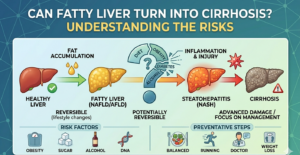
Graph: Progression of Liver Disease Leading to Transplant
Below is a simplified illustration showing how liver disease can progress over time.
Stages of Liver Disease

Healthy Liver
      │
      ▼
Fatty Liver
      │
      ▼
Inflammation (Hepatitis)
      │
      ▼
Fibrosis (Scar Tissue)
      │
      ▼
Cirrhosis
      │
      ▼
End-Stage Liver Disease
      │
      ▼
Liver Transplant Required
This progression may take years or even decades, depending on the cause of liver damage.
Conditions That May Require a Liver Transplant
Several medical conditions can lead to severe liver damage and the need for transplantation.
1. Cirrhosis
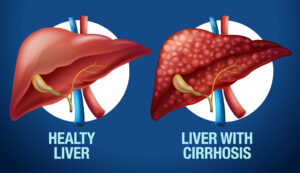
Cirrhosis occurs when long-term liver damage leads to extensive scarring, preventing the liver from functioning properly.
Common causes include:
- Chronic alcohol use
- Viral hepatitis
- Fatty liver disease
- Genetic disorders
Cirrhosis is one of the most common reasons for liver transplantation worldwide.
2. Chronic Hepatitis B and C
Chronic viral infections such as hepatitis B and hepatitis C can gradually destroy liver cells over time.
Complications may include:
- Liver inflammation
- Cirrhosis
- Liver cancer
If the infection leads to severe liver damage, a transplant may become necessary.
3. Non-Alcoholic Fatty Liver Disease (NAFLD)
NAFLD occurs when excess fat accumulates in the liver.
It is strongly linked to:
- Obesity
- Type 2 diabetes
- High cholesterol
- Sedentary lifestyle
In severe cases, NAFLD can progress to Non-Alcoholic Steatohepatitis (NASH), which may eventually lead to cirrhosis.
4. Acute Liver Failure
Unlike chronic liver disease, acute liver failure occurs suddenly and rapidly.
Possible causes include:
- Drug overdose (especially certain medications)
- Viral infections
- Toxins or poisonous substances
- Autoimmune diseases
In such cases, a liver transplant may be needed urgently to save the patient’s life.
5. Liver Cancer
Certain types of liver cancer, particularly hepatocellular carcinoma, may require a transplant if the tumor cannot be removed safely.
A liver transplant can remove both:
- The cancerous tumor
- The underlying diseased liver
6. Genetic Liver Disorders
Some inherited diseases affect liver function from birth or early adulthood.
Examples include:
- Wilson’s disease
- Hemochromatosis
- Alpha-1 antitrypsin deficiency
These conditions can gradually damage the liver over time.
Symptoms That May Indicate Severe Liver Damage
Patients with advanced liver disease often experience serious symptoms.
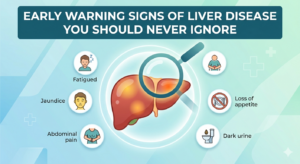
Common warning signs include:
- Severe fatigue
- Jaundice (yellowing of skin and eyes)
- Abdominal swelling
- Confusion or memory problems
- Easy bruising or bleeding
- Persistent nausea
- Loss of appetite
When these symptoms worsen, doctors may evaluate the patient for a transplant.
The Liver Transplant Evaluation Process
Before receiving a liver transplant, patients must undergo a detailed medical evaluation.
This process ensures that:
- The transplant is necessary
- The patient is healthy enough for surgery
- The transplant has a high chance of success
Tests During Evaluation
The evaluation process may include:
- Blood tests
- Imaging scans (CT or MRI)
- Liver function tests
- Heart and lung examinations
- Psychological evaluation
Doctors also assess the patient’s lifestyle habits, including alcohol use and overall health.
MELD Score: Determining Transplant Priority
Patients waiting for a liver transplant are often prioritized using a scoring system called the MELD score (Model for End-Stage Liver Disease).
The score is based on blood test results and helps determine:
- How severe the liver disease is
- How urgently a transplant is needed
Higher MELD scores indicate greater urgency.
Graph: MELD Score and Transplant Priority
MELD Score Range     Severity Level

10 – 19     Moderate liver disease
20 – 29     Severe liver damage
30 – 39     Critical condition
40+         Very high priority for transplant
This system helps ensure that organs go to patients who need them the most.
The Liver Transplant Surgery
Liver transplant surgery typically lasts 6–12 hours and involves several steps.
Surgical process
- Removal of the damaged liver
- Placement of the donor liver
- Reconnection of blood vessels
- Reconnection of bile ducts
After surgery, the patient is closely monitored in the hospital for several days or weeks.
Recovery After Liver Transplant
Recovery takes time and requires careful medical supervision.
Most patients spend:
- 1–2 weeks in the hospital
- Several months recovering at home
Patients must take immunosuppressant medications to prevent the body from rejecting the new liver.
Life After a Liver Transplant
Many patients experience a significant improvement in quality of life after a successful transplant.
Benefits may include:
- Increased energy
- Improved digestion
- Better overall health
- Longer life expectancy
However, maintaining liver health after transplantation is essential.
Lifestyle Changes After Transplant
Doctors recommend several lifestyle changes to protect the new liver.
Healthy habits include
- Eating a balanced diet
- Exercising regularly
- Avoiding alcohol
- Taking medications as prescribed
- Attending regular medical checkups
These habits help ensure long-term success after transplantation.
Risks of Liver Transplant
Like any major surgery, liver transplantation carries some risks.
Possible complications include:
- Organ rejection
- Infection
- Blood clots
- Medication side effects
- Bile duct complications
However, advances in medicine have greatly improved transplant success rates.
Liver Transplant Success Rates
Modern liver transplant procedures are highly successful.
Survival statistics
- About 85–90% of patients survive the first year after transplant
- Around 70–75% survive five years or longer
Many patients live decades after receiving a transplant.
Preventing Liver Disease
While liver transplants save lives, preventing liver disease is always better.
Key prevention strategies include:
- Maintaining a healthy weight
- Eating a balanced diet
- Limiting alcohol consumption
- Exercising regularly
- Getting vaccinated against hepatitis
- Avoiding unnecessary medications
Healthy lifestyle habits can significantly reduce the risk of severe liver disease.
Key Takeaways
- A liver transplant is required when the liver becomes severely damaged and cannot function properly.
- Conditions such as cirrhosis, hepatitis, fatty liver disease, and liver cancer are common causes.
- Transplant eligibility is determined through extensive medical evaluation.
- MELD scores help prioritize patients waiting for donor organs.
- Advances in medicine have made liver transplantation highly successful.
Final Thoughts
A liver transplant is one of the most remarkable achievements in modern medicine. For patients with advanced liver disease, it can offer a second chance at life.
Although the journey through liver disease and transplantation can be challenging, early diagnosis, proper treatment, and healthy lifestyle choices can make a significant difference.
Understanding when a liver transplant is required empowers patients and families to make informed decisions and seek timely medical care.
With continued advancements in medical science, the future of liver disease treatment and transplantation looks increasingly promising.