How Lifestyle Is Damaging Your Liver Without You Knowing
Introduction
The liver is one of the most powerful and hardworking organs in the human body. It performs more than 500 essential functions, including detoxifying harmful substances, metabolizing nutrients, producing bile for digestion, storing vitamins, and regulating metabolism. Despite its importance, many people unknowingly harm their liver through everyday lifestyle habits.
Unlike many other organs, the liver rarely shows early symptoms when something goes wrong. This is why liver diseases are often called “silent diseases.” People may continue with unhealthy habits for years without realizing that their liver is gradually accumulating fat, becoming inflamed, or developing scar tissue.
Modern lifestyles—characterized by processed foods, sedentary behavior, poor sleep patterns, stress, and excessive sugar consumption—are placing tremendous pressure on liver health worldwide. Even individuals who do not drink alcohol can develop fatty liver disease due to these lifestyle factors.
This article explores how everyday lifestyle choices silently damage your liver, why this damage often goes unnoticed, and what you can do to protect this vital organ.
Understanding the Role of the Liver
Before understanding how lifestyle harms the liver, it is important to know what the liver actually does.
The liver acts as the body’s central chemical processing unit.
Major functions of the liver
- Detoxifies harmful substances such as alcohol, drugs, and toxins
- Breaks down carbohydrates, fats, and proteins
- Produces bile to help digest fats
- Stores vitamins and minerals
- Regulates blood sugar levels
- Supports immune function
- Produces proteins needed for blood clotting
Because the liver is responsible for processing nearly everything we consume, our lifestyle directly affects its health.
Global Rise of Lifestyle-Related Liver Disease
Over the past few decades, liver disease has increased dramatically across the world.
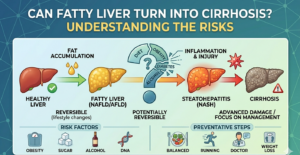
The most common form is fatty liver disease, which occurs when fat builds up in liver cells. This condition is now affecting millions of people globally and is strongly linked to lifestyle habits such as poor diet and lack of physical activity.
Graph: Global Lifestyle Factors Driving Liver Disease
Lifestyle Factor           Impact on Liver Health
-------------------------------------------------
High Sugar Diet            Fat buildup in liver
Sedentary Lifestyle        Reduced fat metabolism
Poor Sleep                 Hormonal imbalance
Chronic Stress             Increased inflammation
Processed Foods            Liver fat accumulation
Smoking & Toxins           Cellular damage
Excess Alcohol             Liver inflammation
These habits may seem harmless in daily life but can slowly damage liver cells over time.
Why Liver Damage Often Goes Unnoticed
One of the biggest challenges with liver disease is that symptoms appear very late.
The liver has a remarkable ability to regenerate and compensate for damage. However, this also means people may continue damaging it for years without realizing it.
Early stages of liver damage may cause:
- Mild fatigue
- Slight abdominal discomfort
- Poor digestion
- Difficulty losing weight
- Brain fog
Because these symptoms are subtle, many people ignore them until serious liver problems develop.
Everyday Lifestyle Habits That Are Silently Damaging Your Liver
Let’s explore the most common lifestyle habits that harm the liver.
1. Eating Too Much Sugar
One of the biggest threats to liver health today is excess sugar consumption.
When you consume large amounts of sugar—especially fructose—the liver converts it into fat. Over time, this fat accumulates in liver cells and leads to fatty liver disease.
Sugary drinks are particularly harmful because they deliver large amounts of sugar quickly.
Common sources of hidden sugar
- Soft drinks
- Energy drinks
- Fruit juices
- Sweetened yogurt
- Packaged snacks
- Breakfast cereals
- Dessert foods
Even drinking one sugary soda daily can contribute to fatty liver disease and liver inflammation.
Graph: Sugar Intake and Liver Fat
Daily Sugar Intake      Liver Impact
------------------------------------
Low intake              Healthy liver metabolism
Moderate intake         Increased fat production
High intake             Fat accumulation
Very high intake        Fatty liver disease
2. Sedentary Lifestyle
Modern work environments encourage people to sit for long periods. Desk jobs, screen time, and lack of exercise slow down metabolism and increase fat storage in the body—including the liver.
Without physical activity, the body cannot effectively burn fat, which leads to fat accumulation in organs.
Signs of a sedentary lifestyle
- Sitting more than 8 hours per day
- Lack of regular exercise
- Limited daily movement
- Desk-bound work
- Excessive screen time
Even people who appear thin can develop fatty liver if they have low physical activity levels.
3. Overconsumption of Processed Foods
Processed foods are often high in:
- Refined carbohydrates
- Saturated fats
- Artificial additives
- Preservatives
- Salt
Regular consumption of processed foods contributes to liver fat accumulation and inflammation.
Examples of liver-damaging processed foods
- Fast food
- Fried snacks
- Instant noodles
- Packaged chips
- Frozen meals
- Processed meats
These foods overload the liver and reduce its ability to metabolize fats efficiently.
4. Poor Sleep Habits
Sleep is essential for metabolic health and liver function.
Research shows that poor sleep quality is associated with increased risk of fatty liver disease. Improving sleep habits can significantly reduce the risk.
Poor sleep habits that harm the liver
- Staying up late regularly
- Sleeping less than 6 hours
- Irregular sleep schedules
- Sleep apnea
- Frequent night shifts
Poor sleep disrupts hormones responsible for metabolism, leading to fat accumulation in the liver.
Graph: Sleep and Liver Health
Sleep Duration        Liver Health Impact
-----------------------------------------
7–8 hours             Optimal liver repair
6 hours               Metabolic disruption
5 hours or less       Increased liver fat risk
Irregular sleep       Hormonal imbalance
5. Excess Alcohol Consumption
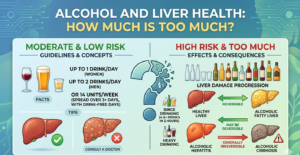
Alcohol is one of the most well-known causes of liver damage.
When alcohol is consumed, the liver must break it down into less harmful substances. However, excessive alcohol consumption produces toxic compounds that damage liver cells and trigger inflammation.
Over time, this can lead to:
- Alcoholic fatty liver disease
- Hepatitis
- Cirrhosis
- Liver failure
Even moderate but regular drinking can increase liver fat accumulation.
6. Chronic Stress
Stress affects nearly every organ in the body, including the liver.
Chronic stress increases levels of the hormone cortisol, which affects metabolism and fat distribution. Over time, this can increase inflammation and contribute to liver damage.
Effects of chronic stress on the liver
- Increased inflammation
- Elevated blood sugar
- Fat accumulation
- Reduced immune function
Stress also leads to unhealthy coping behaviors such as overeating, alcohol consumption, and poor sleep.
7. Overuse of Medications
Many people assume that over-the-counter medications are completely safe. However, frequent use of painkillers and other drugs can strain the liver.
The liver processes most medications, and excessive use can lead to toxic by-products that damage liver cells.
Medications that may affect liver health
- Paracetamol (acetaminophen)
- Certain antibiotics
- Some antidepressants
- Steroid medications
- Herbal supplements
Self-medication without medical supervision can increase the risk of liver toxicity.
8. Exposure to Environmental Toxins
Modern environments expose people to many harmful chemicals.
Examples include:
- Air pollution
- Industrial chemicals
- Pesticides
- Household cleaning agents
- Heavy metals
The liver must filter these toxins from the bloodstream. Long-term exposure increases the liver’s workload and may weaken its detoxification capacity.
9. Smoking
Smoking does not only affect the lungs—it also harms the liver.
Tobacco smoke contains toxic chemicals that increase oxidative stress and reduce blood flow to the liver. Over time, this damages liver cells and worsens liver diseases.
Smoking also increases the liver’s workload by introducing additional toxins into the bloodstream.
10. Crash Dieting and Irregular Eating
Extreme dieting may seem beneficial for weight loss, but it can negatively affect liver health.
Crash diets disrupt metabolism and may increase fat release into the bloodstream, placing additional stress on the liver.
Skipping meals frequently can also lead to overeating later in the day, increasing fat storage.
Warning Signs Your Liver May Be in Trouble
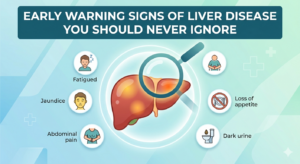
Although liver disease is often silent, some warning signs may appear.
Possible symptoms include
- Persistent fatigue
- Abdominal pain
- Unexplained weight gain
- Swelling in legs or abdomen
- Yellowing of skin or eyes
- Dark urine
- Loss of appetite
If these symptoms appear, medical evaluation is necessary.
Habits That Protect Your Liver
Fortunately, many lifestyle changes can significantly improve liver health.
Healthy habits for liver protection
- Eat a balanced diet rich in fruits and vegetables
- Exercise regularly
- Maintain a healthy weight
- Limit sugar intake
- Avoid unnecessary medications
- Reduce alcohol consumption
- Get 7–8 hours of sleep
- Manage stress effectively
Even small lifestyle improvements can greatly reduce the risk of liver disease.
Graph: Lifestyle Changes That Improve Liver Health
Healthy Habit           Benefit
----------------------------------------------
Regular exercise        Burns liver fat
Balanced diet           Supports metabolism
Quality sleep           Hormonal balance
Stress management       Reduced inflammation
Hydration               Better detoxification
Weight control          Reduced liver fat
The Future of Liver Health Awareness
Public awareness of liver health is increasing globally. Medical experts now emphasize preventive lifestyle strategies as the most effective way to protect the liver.
Routine health checkups, liver function tests, and healthy lifestyle habits can help detect liver problems early and prevent severe complications.
Conclusion
Your liver works tirelessly every day to keep your body healthy, but modern lifestyles often place tremendous stress on this vital organ.
Excess sugar consumption, sedentary behavior, processed foods, poor sleep, stress, smoking, and medication overuse can gradually damage the liver without obvious warning signs. Over time, these habits may lead to fatty liver disease, inflammation, and serious liver complications.
The good news is that liver damage in its early stages is often reversible. By making conscious lifestyle choices—such as improving diet, staying physically active, managing stress, and getting adequate sleep—you can protect your liver and improve your overall health.
Your liver may be silent, but it plays a powerful role in your well-being. Taking care of it today can ensure a healthier future.