
Liver Cirrhosis Explained: Causes, Symptoms, And Complications
Liver cirrhosis is one of the most serious and life-threatening liver conditions affecting millions of people worldwide. Often described as the final stage of chronic liver disease, cirrhosis occurs when healthy liver tissue is gradually replaced by scar tissue, preventing the liver from functioning properly.
The liver is an extraordinary organ responsible for detoxification, digestion, metabolism, and immune support. However, when it is repeatedly damaged by infections, alcohol, metabolic diseases, or toxins, the body attempts to repair the damage by forming scar tissue. Over time, this scarring accumulates and leads to cirrhosis.
What makes cirrhosis particularly dangerous is that it often develops silently over many years. Many individuals may not notice symptoms until the disease has reached an advanced stage.
Today, cirrhosis is a growing global health concern due to rising rates of:
- Obesity
- Diabetes
- Alcohol consumption
- Fatty liver disease
Understanding the causes, symptoms, and complications of liver cirrhosis is essential for early detection and prevention.
In this comprehensive guide, we will explore:
- What liver cirrhosis is
- How cirrhosis develops
- Major causes of cirrhosis
- Symptoms and warning signs
- Stages of cirrhosis
- Complications associated with the disease
- Diagnosis and medical tests
- Treatment options
- Lifestyle changes to protect liver health
This article aims to provide clear and engaging information for readers worldwide.
What Is Liver Cirrhosis?
Liver cirrhosis is a chronic disease in which normal liver cells are replaced with scar tissue, impairing the liver’s ability to function.
Scar tissue blocks the normal flow of blood through the liver, preventing it from carrying out essential processes such as detoxification and nutrient metabolism.
Key Characteristics of Cirrhosis
- Permanent liver damage
- Progressive scarring of liver tissue
- Reduced liver function
- Increased risk of complications
While early stages may be manageable, advanced cirrhosis can lead to severe health complications.
Global Burden of Liver Cirrhosis
Liver cirrhosis is responsible for a significant number of deaths worldwide each year.
Graph: Major Causes of Liver Cirrhosis Globally
Global Causes of Liver Cirrhosis

Alcohol-related liver disease      |██████████████████| 35%
Fatty liver disease (NAFLD)        |████████████████  | 30%
Hepatitis B                        |██████████        | 18%
Hepatitis C                        |████████          | 12%
Other causes                       |████              | 5%
This graph highlights that lifestyle-related liver diseases are rapidly increasing worldwide, especially fatty liver disease.
How Cirrhosis Develops
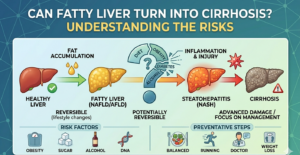
Cirrhosis does not occur overnight. It develops gradually over several years due to repeated liver injury.
Step-by-Step Progression
- Liver Injury
Infection, alcohol, or toxins damage liver cells. - Inflammation
The immune system responds by triggering inflammation. - Fibrosis (Scar Formation)
The body forms scar tissue to repair damage. - Cirrhosis
Extensive scarring replaces healthy liver tissue.
Once cirrhosis develops, the liver’s ability to regenerate becomes limited.
Major Causes of Liver Cirrhosis
Several conditions can lead to cirrhosis. Some are lifestyle-related, while others are caused by infections or genetic disorders.
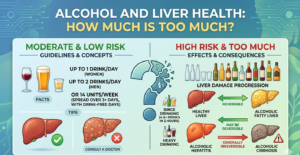
1. Alcohol-Related Liver Disease
Excessive alcohol consumption is one of the most common causes of cirrhosis worldwide.
Alcohol damages liver cells and causes inflammation.
Effects of Alcohol on the Liver
- Fat accumulation
- Liver inflammation
- Cell death
- Scar tissue formation
Long-term heavy drinking significantly increases the risk of cirrhosis.
2. Non-Alcoholic Fatty Liver Disease (NAFLD)
NAFLD occurs when fat accumulates in the liver in people who drink little or no alcohol.
It is closely associated with:
- Obesity
- Diabetes
- High cholesterol
- Sedentary lifestyle
When fatty liver becomes inflamed, it can progress to non-alcoholic steatohepatitis (NASH), which may eventually lead to cirrhosis.
3. Viral Hepatitis
Chronic viral infections can also cause liver cirrhosis.
Major Types
- Hepatitis B
- Hepatitis C
These viruses cause long-term inflammation in the liver, which gradually leads to scarring.
4. Genetic Liver Disorders
Certain inherited conditions affect liver function.
Examples include:
- Hemochromatosis (iron overload)
- Wilson’s disease (copper accumulation)
- Alpha-1 antitrypsin deficiency
These disorders damage liver cells and increase the risk of cirrhosis.
5. Autoimmune Liver Diseases
In autoimmune liver diseases, the immune system mistakenly attacks liver cells.
Examples include:
- Autoimmune hepatitis
- Primary biliary cholangitis
- Primary sclerosing cholangitis
These conditions cause chronic inflammation and scarring.
6. Long-Term Exposure to Toxins or Drugs
Certain medications and toxins can damage the liver when used excessively.
Examples include:
- High doses of painkillers
- Industrial chemicals
- Herbal toxins
Repeated exposure increases the risk of liver damage.
Stages of Liver Cirrhosis
Cirrhosis progresses through different stages.
Stage 1: Compensated Cirrhosis
In early cirrhosis, the liver still performs most functions despite scarring.
Symptoms may be minimal or absent.
Stage 2: Portal Hypertension
Scar tissue restricts blood flow through the liver, increasing pressure in the portal vein.
This condition is known as portal hypertension.
Stage 3: Decompensated Cirrhosis
The liver can no longer perform essential functions effectively.
Serious complications begin to appear.
Stage 4: End-Stage Liver Disease
Severe liver failure occurs, often requiring a liver transplant.
Symptoms of Liver Cirrhosis
Symptoms vary depending on the stage of the disease.
Early Symptoms
Many people with early cirrhosis experience mild or no symptoms.
Possible early signs include:
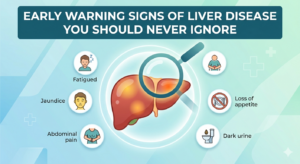
- Fatigue
- Weakness
- Loss of appetite
- Mild abdominal discomfort
- Unexplained weight loss
Advanced Symptoms
As cirrhosis progresses, symptoms become more noticeable.
Common Symptoms
- Jaundice (yellow skin and eyes)
- Swelling in legs and abdomen
- Nausea and vomiting
- Itchy skin
- Dark urine
- Easy bruising
These symptoms indicate worsening liver function.
Serious Complications of Cirrhosis
Cirrhosis can lead to several life-threatening complications.
1. Portal Hypertension
Scar tissue blocks normal blood flow through the liver.
This increases pressure in the portal vein, which carries blood from the digestive organs.
Effects of Portal Hypertension
- Enlarged veins in the esophagus
- Risk of internal bleeding
- Enlarged spleen
2. Ascites (Fluid in the Abdomen)
Ascites occurs when fluid accumulates in the abdominal cavity.
Symptoms
- Abdominal swelling
- Difficulty breathing
- Discomfort while sitting or lying down
Severe ascites may require medical treatment.
3. Variceal Bleeding
High pressure in blood vessels may cause enlarged veins in the esophagus or stomach.
These veins can rupture and cause severe internal bleeding, which is a medical emergency.
4. Hepatic Encephalopathy
When the liver cannot remove toxins effectively, harmful substances accumulate in the bloodstream and affect the brain.
Symptoms
- Confusion
- Memory problems
- Difficulty concentrating
- Personality changes
- Sleep disturbances
In severe cases, it may lead to coma.
5. Increased Risk of Infections
Cirrhosis weakens the immune system, making individuals more vulnerable to infections.
Common infections include:
- Bacterial peritonitis
- Urinary infections
- Respiratory infections
6. Liver Cancer
People with cirrhosis have a significantly higher risk of developing hepatocellular carcinoma, the most common type of liver cancer.
Regular screening is recommended for early detection.
How Doctors Diagnose Cirrhosis
Early diagnosis improves treatment outcomes.
Doctors use several tests to evaluate liver health.
Blood Tests
Blood tests assess liver function.
Examples include:
- Liver function test (LFT)
- Bilirubin levels
- Albumin levels
- Clotting factors
Abnormal results may indicate liver damage.
Imaging Tests
Doctors may recommend imaging tests such as:
- Ultrasound
- CT scan
- MRI
These tests help detect liver enlargement, scarring, or tumors.
Fibroscan
Fibroscan is a non-invasive test that measures liver stiffness.
Higher stiffness levels indicate increased scarring.
Liver Biopsy
In some cases, doctors perform a liver biopsy to examine liver tissue under a microscope.
This helps confirm the stage of cirrhosis.
Treatment Options for Cirrhosis
While cirrhosis damage cannot always be reversed, treatment can slow its progression and prevent complications.
Treating the Underlying Cause
The first step in treatment is addressing the root cause.
Examples include:
- Stopping alcohol consumption
- Treating viral hepatitis
- Managing fatty liver disease
- Controlling diabetes and obesity
Medications
Doctors may prescribe medications to manage complications.
Examples include:
- Diuretics for fluid buildup
- Antibiotics for infections
- Medications to reduce portal pressure
Lifestyle Changes
Lifestyle improvements play a key role in managing cirrhosis.
Recommended Habits
- Maintain healthy weight
- Eat a balanced diet
- Avoid alcohol
- Exercise regularly
- Take medications responsibly
Liver Transplant
In advanced cases where the liver fails completely, a liver transplant may be necessary.
During this procedure, the damaged liver is replaced with a healthy donor liver.
Transplantation can significantly improve survival and quality of life.
Preventing Liver Cirrhosis
Many cases of cirrhosis can be prevented through healthy lifestyle choices.
Prevention Tips
- Limit alcohol intake
- Maintain healthy weight
- Follow balanced diet
- Get vaccinated for hepatitis
- Practice safe hygiene and medical care
- Avoid unnecessary medications
Early treatment of liver conditions also reduces the risk of cirrhosis.
Importance of Early Detection
One of the biggest challenges with cirrhosis is that symptoms often appear late.
Regular health checkups can detect liver problems early.
Recommended Screening
- Liver function tests
- Ultrasound scans
- Blood sugar and cholesterol checks
Early detection allows doctors to intervene before severe damage occurs.
Final Thoughts
Liver cirrhosis is a serious condition that develops when long-term liver damage leads to permanent scarring and loss of liver function.
While the disease can be life-threatening, many cases are preventable through healthy lifestyle habits and early medical care.
Understanding the causes, recognizing warning signs, and adopting preventive measures can significantly reduce the risk of cirrhosis.
Protecting your liver means protecting your overall health. By making informed choices about diet, alcohol consumption, physical activity, and medical care, individuals around the world can safeguard this vital organ and live healthier lives.