Fatty Liver Disease: Causes, Symptoms, And Treatment
Introduction
Fatty liver disease has become one of the most common liver conditions worldwide. Millions of people are affected by it, often without realizing they have it. The condition occurs when excess fat accumulates in the liver, interfering with its normal functions.
The liver is one of the most important organs in the human body. It plays a crucial role in detoxification, metabolism, digestion, and nutrient storage. However, modern lifestyles—such as unhealthy diets, sedentary habits, obesity, and metabolic disorders—are putting enormous pressure on liver health.
Fatty liver disease is often called a “silent disease” because many people experience no symptoms during the early stages. By the time symptoms appear, the condition may already have progressed.
The good news is that fatty liver disease is often preventable and, in many cases, reversible if detected early and managed properly.
In this comprehensive article, we will explore:
- What fatty liver disease is
- Types of fatty liver disease
- Causes and risk factors
- Symptoms and warning signs
- Diagnosis methods
- Treatment options
- Lifestyle changes and diet recommendations
- Prevention strategies
By the end of this article, you will have a clear understanding of how fatty liver develops and how you can protect your liver health.
What Is Fatty Liver Disease?
Fatty liver disease occurs when excess fat accumulates inside liver cells. Normally, the liver contains a small amount of fat, but when fat makes up more than 5–10% of the liver’s weight, it is considered fatty liver disease.
There are two main types of fatty liver disease:
1. Non-Alcoholic Fatty Liver Disease (NAFLD)
This is the most common form and occurs in people who drink little or no alcohol.
NAFLD is strongly associated with:
- Obesity
- Insulin resistance
- Type 2 diabetes
- High cholesterol
- Metabolic syndrome
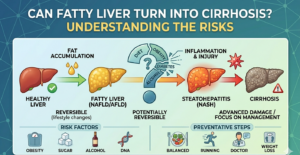
NAFLD can progress through several stages:
- Simple fatty liver (steatosis)
- Non-alcoholic steatohepatitis (NASH)
- Fibrosis
- Cirrhosis
2. Alcoholic Fatty Liver Disease (AFLD)
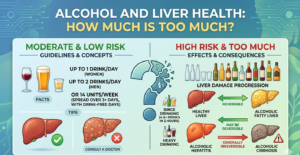
This type occurs due to excessive alcohol consumption. Alcohol damages liver cells and interferes with fat metabolism, leading to fat accumulation.
If alcohol consumption continues, it can lead to severe conditions such as:
- Alcoholic hepatitis
- Liver fibrosis
- Liver cirrhosis
Global Rise of Fatty Liver Disease
Fatty liver disease has become a major global health concern.
Estimated Global Prevalence
Region                Estimated Cases
------------------------------------
North America        30% - 40%
Europe               25% - 35%
Asia                 20% - 30%
Middle East          30% - 40%
Latin America        30% - 35%
Africa               10% - 20%
Graph: Global Fatty Liver Prevalence
Fatty Liver Prevalence by Region (%)

North America   ███████████████████████ 38%
Europe          ██████████████████      32%
Asia            ███████████████         27%
Middle East     ███████████████████     36%
Latin America   █████████████████       34%
Africa          ██████████              18%
The increase is largely driven by:
- Rising obesity rates
- Increased consumption of processed foods
- Sedentary lifestyles
- Diabetes and metabolic disorders
Causes of Fatty Liver Disease
Fatty liver develops when the body either produces too much fat or cannot break down fat efficiently.
Major Causes
1. Obesity
Excess body fat is one of the strongest risk factors. People with obesity often develop fat deposits in the liver.
2. Insulin Resistance
When the body becomes resistant to insulin, fat accumulates in liver cells.
This is common in:
- Type 2 diabetes
- Prediabetes
- Metabolic syndrome
3. High Sugar Consumption
Diets high in refined sugars, especially fructose, contribute to fatty liver.
Sources include:
- Soft drinks
- Sweets
- Packaged snacks
- Sugary cereals
4. Excess Alcohol
Alcohol interferes with fat metabolism and leads to fat accumulation in liver cells.
5. High Cholesterol and Triglycerides
Elevated blood lipids increase the risk of fat deposition in the liver.
6. Rapid Weight Loss
Losing weight too quickly may cause fatty liver in some cases.
7. Certain Medications
Some drugs may increase the risk of fatty liver, including:
- Steroids
- Certain cancer medications
- Some antiviral drugs
Risk Factors
Certain individuals have a higher risk of developing fatty liver disease.
Common Risk Factors
- Obesity
- Type 2 diabetes
- High blood pressure
- High cholesterol
- Sedentary lifestyle
- Poor diet
- Genetic predisposition
- Polycystic ovary syndrome (PCOS)
Symptoms of Fatty Liver Disease
Many people with fatty liver disease experience no symptoms in the early stages.
However, as the disease progresses, symptoms may appear.
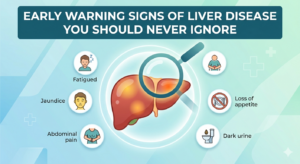
Common Symptoms
- Fatigue
- Weakness
- Abdominal discomfort
- Loss of appetite
- Unexplained weight loss
- Mild pain in the upper right abdomen
Advanced Symptoms
When liver damage becomes severe, symptoms may include:
- Jaundice (yellowing of skin and eyes)
- Swelling in legs
- Abdominal swelling (ascites)
- Confusion
- Dark urine
- Easy bruising
Stages of Fatty Liver Disease
Fatty liver disease progresses gradually through several stages.
Stage 1: Simple Fatty Liver (Steatosis)
Fat accumulates in liver cells but causes little or no inflammation.
This stage is usually reversible.
Stage 2: NASH (Non-Alcoholic Steatohepatitis)
Fat accumulation causes inflammation and liver cell damage.
Stage 3: Fibrosis
Scar tissue begins forming in the liver.
Stage 4: Cirrhosis
Severe scarring affects liver function and may lead to liver failure.
Disease Progression Diagram
Healthy Liver
     ↓
Fatty Liver (Steatosis)
     ↓
Inflammation (NASH)
     ↓
Fibrosis
     ↓
Cirrhosis
     ↓
Liver Failure
Diagnosis of Fatty Liver Disease
Early diagnosis is essential to prevent serious complications.
Doctors may use several tests to diagnose fatty liver.
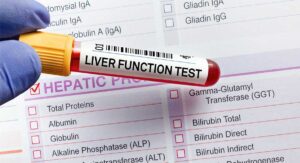
1. Blood Tests
Liver function tests measure enzymes such as:
- ALT
- AST
- ALP
- Bilirubin
Elevated levels may indicate liver damage.
2. Imaging Tests
Doctors may recommend:
- Ultrasound
- CT scan
- MRI
These tests help detect fat accumulation in the liver.
3. FibroScan
FibroScan measures liver stiffness and fat levels.
4. Liver Biopsy
In some cases, doctors remove a small tissue sample from the liver to determine disease severity.
Treatment for Fatty Liver Disease
There is no single medication that completely cures fatty liver disease. Treatment mainly focuses on addressing the underlying causes.
1. Weight Loss
Losing 5–10% of body weight significantly reduces liver fat.
Benefits of Weight Loss
- Reduced liver inflammation
- Improved insulin sensitivity
- Lower cholesterol levels
2. Healthy Diet
A liver-friendly diet helps reduce fat accumulation.
Recommended foods include:
- Vegetables
- Fruits
- Whole grains
- Nuts
- Lean protein
- Healthy fats
Foods to avoid:
- Sugary beverages
- Processed foods
- Fried foods
- Excess alcohol
Best Foods for Fatty Liver
Liver-Friendly Foods
- Leafy green vegetables
- Garlic
- Avocados
- Olive oil
- Nuts
- Fatty fish
- Green tea
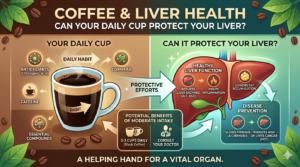
- Coffee (in moderation)
Nutritional Impact Graph
Food Type            Liver Benefit Level
-----------------------------------------
Leafy Vegetables     █████████████████
Fatty Fish           ███████████████
Coffee               █████████████
Nuts                 ████████████
Olive Oil            ███████████
Green Tea            ██████████
Role of Exercise in Treating Fatty Liver
Exercise plays a major role in reversing fatty liver disease.
Benefits of Exercise
- Reduces liver fat
- Improves insulin sensitivity
- Promotes weight loss
- Reduces inflammation
Recommended Exercise
- Walking
- Cycling
- Swimming
- Strength training
- Yoga
Experts recommend 150 minutes of moderate exercise per week.
Medical Treatments
Although lifestyle changes remain the primary treatment, doctors may prescribe medications for underlying conditions.
Possible Treatments
- Diabetes medications
- Cholesterol-lowering drugs
- Vitamin E (in some cases)
- Experimental drugs for NASH
New therapies are currently being studied in clinical trials.
Complications of Fatty Liver Disease
If untreated, fatty liver disease can lead to serious complications.
Potential Complications
- Liver cirrhosis
- Liver cancer
- Portal hypertension
- Liver failure
These conditions may require liver transplantation in severe cases.
Prevention of Fatty Liver Disease
The good news is that fatty liver disease is largely preventable.
Prevention Tips
- Maintain a healthy weight
- Eat a balanced diet
- Exercise regularly
- Limit alcohol consumption
- Control blood sugar
- Manage cholesterol levels
- Avoid unnecessary medications
Lifestyle Changes That Protect Your Liver
Adopting healthy habits can significantly improve liver health.
Daily Habits for a Healthy Liver
- Drink plenty of water
- Eat fiber-rich foods
- Reduce sugar intake
- Avoid processed foods
- Get enough sleep
- Manage stress
- Stay physically active
Fatty Liver in Children
Fatty liver disease is increasingly affecting children due to rising obesity rates.
Causes in Children
- Junk food consumption
- Lack of physical activity
- Excess screen time
- Sugary drinks
Early lifestyle interventions are essential to prevent long-term liver damage.
When Should You See a Doctor?
You should consult a doctor if you experience:
- Persistent fatigue
- Abdominal pain
- Unexplained weight loss
- Yellowing of skin or eyes
Regular health checkups are important, especially for people with diabetes or obesity.
Future Research and Treatments
Scientists are actively researching new treatments for fatty liver disease.
Emerging Therapies
- Anti-inflammatory drugs
- Metabolic regulators
- Gut microbiome therapies
- Gene-targeted treatments
These therapies may provide more effective treatment options in the future.
Conclusion
Fatty liver disease has become one of the fastest-growing liver conditions worldwide. While it often develops silently, its long-term consequences can be serious if left untreated.
The most important fact to remember is that fatty liver disease is often preventable and reversible, especially in the early stages. Adopting a healthy lifestyle—such as maintaining a balanced diet, exercising regularly, managing weight, and limiting alcohol intake—can significantly improve liver health.
Regular medical checkups and early diagnosis are key to preventing complications. By understanding the causes, symptoms, and treatment options for fatty liver disease, individuals can take proactive steps to protect their liver and overall well-being.
Your liver works tirelessly to keep your body healthy. Taking care of it today will help ensure a healthier future.